Top Games
New Releases

Trending Games
Live Dealers


Blackjack gives you better odds than almost anything else in an online casino. The house edge on a well-played hand sits under one percent, which means your decisions actually change the outcome. That is not true of slots, and it is not true of roulette.
This page covers everything you need to play blackjack for real money at Twinqo: which tables pay 3:2, what the minimum and maximum bets are on each one, the exact basic strategy chart to follow, and how fast you get paid when you cash out. Sixteen tables are live right now, split between instant RNG games and live dealer rooms.
Quick answersCan you win real money playing blackjack online? Yes. Every table on this page pays out in real currency or crypto, and winnings are withdrawable once wagering conditions are met. What is the best RTP? Single Deck Blackjack by Nucleus Gaming at 99.83%. How fast are withdrawals? Crypto withdrawals are typically processed within 1 hour with no ID verification required. |
Real Money Blackjack Tables at Twinqo
Every blackjack table below is available for real money play. RTP figures are published by the game providers and assume optimal basic strategy.
Game | Provider | RTP | Format | Min bet | Max bet | Surrender |
Single Deck Blackjack | Nucleus | 99.50% | RNG | $1 | $100 | No |
VIP Surrender Blackjack | Ezugi | 99.50% | Live | $50 | $5,000 | Yes |
Blackjack Surrender | Platipus | 99.58% | RNG | $0.50 | $10 | Yes |
Playboy Blackjack | Microgaming | 99.44% | Live | $0.5 | $500 | No |
Classic Multihand Blackjack | BGaming | 99.40% | RNG | NA |
€25,000 | No |
Speed Blackjack | Evolution | 99.29% | Live | $10 | $5,000 | No |
Thunder Blackjack | Funky Games | 99.26% | RNG | NA | NA | No |
American Blackjack | Nucleus | 99.50% | RNG | $1 | $100 | No |
European Blackjack | Nucleus | 99.50% | RNG | $1 | $100 | No |
Super 7 Blackjack | Nucleus | 99.71% | RNG | $0.10 | $10 | No |
Multihand Blackjack | BGaming |
99.23 % | RNG | NA | NA | No |
Blackjack VIP | Platipus | 99.53% | RNG | NA | NA | No |
Blackjack Salon Prive | Ezugi | NA | Live | NA | NA | No |
Canada Blackjack | Ezugi |
99.5% | Live | NA | NA | Yes |
VIP Blackjack em Portugues | Ezugi | NA | Live | NA | NA | No |
VIP Blackjack en Espanol | Ezugi | 99.29% | Live | NA | NA | No |
Real Money vs Play Money Blackjack
Most blackjack tables can be opened in two modes. Play money, sometimes called demo or free play, deals you a balance of virtual chips with no cash value. Real money mode uses your deposited balance and pays out actual winnings.
Demo mode is genuinely useful and worth using. It lets you learn a table layout, test the basic strategy chart further down this page, and see how a specific variant handles surrender or side bets, all without risking anything. The card logic is identical to the real money version.
What changes in real money mode is the psychology, not the maths. Players who practise for hours in demo mode often deviate from strategy the moment their own money is on the table. If you plan to play for real, run at least a few hundred demo hands sticking strictly to the chart first, so the correct move becomes automatic.
Live dealer tables are real money only. There is no demo version of a live table, because a human dealer is running the game in real time.
What Is Online Blackjack?
Blackjack, also called twenty-one, is a card game played against the dealer rather than against other players at the table. Your goal is to finish with a hand total closer to 21 than the dealer without going over.
You are dealt two cards face up. The dealer takes one card face up and one face down. Number cards are worth their printed value, face cards are worth ten, and an ace counts as either one or eleven depending on which helps your hand. From there you choose whether to take more cards, stop, double your bet, or split a pair.
The dealer has no choices at all. Once every player has finished acting, the dealer reveals the hidden card and draws according to a fixed rule, usually hitting until reaching 17 and standing on 17 or higher. This is why blackjack is a strategy game rather than a guessing game: the dealer is predictable, so every decision you make can be measured against a known set of probabilities.
That predictability is what produces blackjack’s low house edge. Played with correct basic strategy on a standard multi-deck table, the house edge is roughly 0.5%. Slots typically run between 2% and 8%. Over a long session, that difference is substantial.
Blackjack Payouts: Why 3:2 vs 6:5 Matters
This is the most important thing to check before you sit down at any real money blackjack table, and most players never look at it.
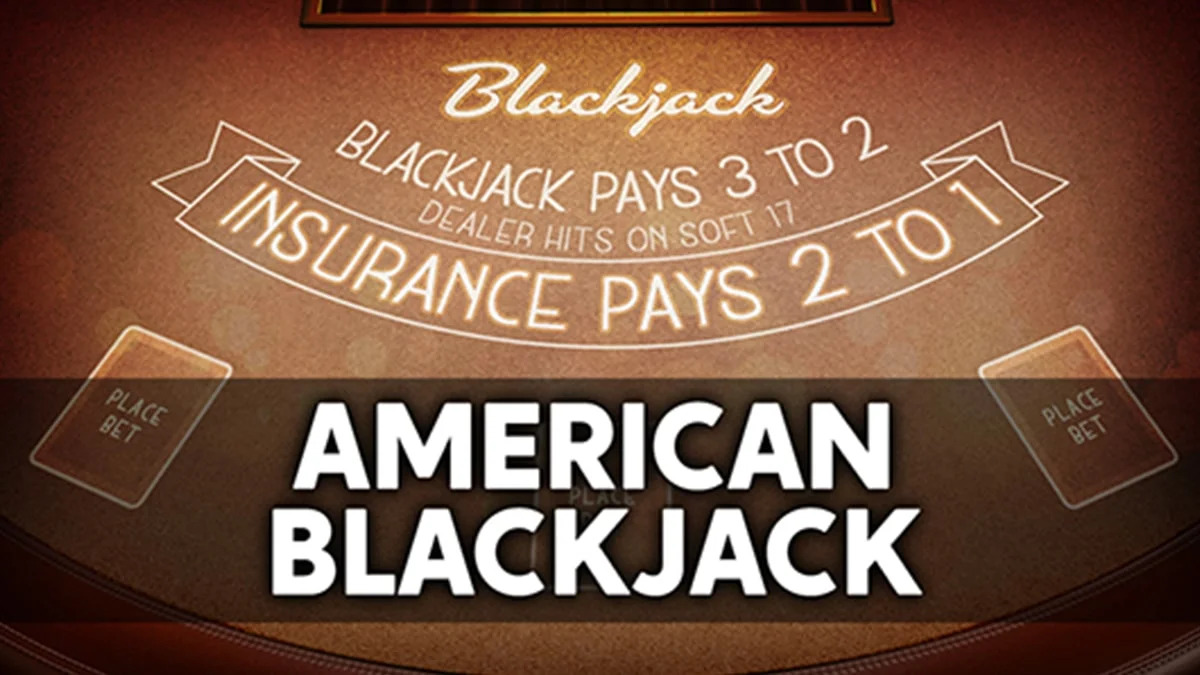
When you are dealt a natural blackjack, an ace plus any ten-value card, the table pays you at a set rate. The traditional rate is 3:2. Some tables pay only 6:5. The difference sounds small and is not.
Your bet | Blackjack pays 3:2 | Blackjack pays 6:5 | You lose |
$10 | $15 | $12 | $3 |
$50 | $75 | $60 | $15 |
$100 | $150 | $120 | $30 |
$200 | $300 | $240 | $60 |
You are dealt a natural roughly once every 21 hands, or just under 5% of the time. Shifting from 3:2 to 6:5 adds about 1.4% to the house edge, which is more than triple the entire edge on a well-played 3:2 table. A 6:5 table with otherwise perfect rules is a worse bet than a 3:2 table with several unfavourable rules.
Always check the paytable in the game info panel before your first hand. If a table pays 6:5, there is almost always a 3:2 alternative available.
Other rules that change your oddsDealer stands on soft 17 (S17) is better for you than dealer hits soft 17 (H17), by roughly 0.22%. Fewer decks favour the player. A single deck game has a lower house edge than an eight deck shoe, all else equal. Double after split (DAS) allowed is worth about 0.14% in your favour. Surrender available is worth roughly 0.08%. Every one of these is listed in the table info panel before you commit a bet. |
Blackjack Variants You Can Play for Real Money
Single Deck Blackjack
One deck instead of six or eight, which improves your odds and makes card values easier to track. Single Deck Blackjack by Nucleus Gaming carries a 99.83% RTP, the highest of any table on the site. The trade-off is usually a lower maximum bet and tighter rules on doubling.
Multi-Hand Blackjack
You play up to three hands simultaneously against the same dealer card. Classic Multihand Blackjack by BGaming runs at 99.40% RTP with built-in strategy hints and a turbo mode. Worth understanding that playing three hands triples your exposure per round, so adjust your unit size accordingly rather than betting your usual amount on each.
Surrender Blackjack
Surrender lets you fold a bad hand after seeing the dealer upcard and recover half your bet. Blackjack Surrender by Platipus offers 99.58% RTP, and VIP Surrender Blackjack by Ezugi raises that to 99.67% with live dealer play. The correct use of surrender is narrow: hard 16 against a dealer 9, 10 or ace, and hard 15 against a dealer 10.
Speed Blackjack
Built for volume. Speed Blackjack by Evolution deals to whichever player acts fastest and runs at 99.29% RTP across up to seven seats. Rounds finish in well under a minute. Faster rounds mean more hands per hour, which means the house edge compounds faster, so speed tables suit players with a firm loss limit.
Live VIP Tables
Higher limits, a real dealer, and a private table feel. Blackjack Salon Prive by Ezugi and the VIP tables from Platipus sit in this category. Minimum bets are higher than RNG tables but so are the ceilings, which matters if you are betting in units of $500 or above.
Regional and Themed Tables
Canada Blackjack, VIP Blackjack em Portugues and VIP Blackjack en Espanol from Ezugi run with native-language dealers. Playboy Blackjack by Microgaming (99.44% RTP) and Thunder Blackjack by Funky Games (99.26% RTP, with multiplier bonuses) are themed live and RNG options respectively.
Note: Table limits and rule variations differ between games, including surrender availability, side bets and the dealer soft 17 rule. Check the info panel on each table before committing your bankroll.
Blackjack Basic Strategy Chart
Basic strategy is the mathematically optimal decision for every possible combination of your hand and the dealer upcard. It was worked out by computer simulation decades ago and it is not disputed. Following it exactly reduces the house edge to roughly 0.5% on a standard multi-deck table. Deviating from it costs you money over time, every time.
The charts below are for multi-deck games where the dealer stands on soft 17 and doubling after a split is allowed, which covers most tables on this site. Find your hand in the left column, find the dealer upcard along the top, and read off the move.
H = Hit S = Stand D = Double if allowed, otherwise Hit P = Split
Hard Hands (no ace, or ace counted as 1)
Player hand | 2 | 3 | 4 | 5 | 6 | 7 | 8 | 9 | 10 | A |
17 and up | S | S | S | S | S | S | S | S | S | S |
16 | S | S | S | S | S | H | H | H | H | H |
15 | S | S | S | S | S | H | H | H | H | H |
14 | S | S | S | S | S | H | H | H | H | H |
13 | S | S | S | S | S | H | H | H | H | H |
12 | H | H | S | S | S | H | H | H | H | H |
11 | D | D | D | D | D | D | D | D | D | H |
10 | D | D | D | D | D | D | D | D | H | H |
9 | H | D | D | D | D | H | H | H | H | H |
8 and under | H | H | H | H | H | H | H | H | H | H |
Soft Hands (ace counted as 11)
Player hand | 2 | 3 | 4 | 5 | 6 | 7 | 8 | 9 | 10 | A |
A,9 (soft 20) | S | S | S | S | S | S | S | S | S | S |
A,8 (soft 19) | S | S | S | S | S | S | S | S | S | S |
A,7 (soft 18) | S | D | D | D | D | S | S | H | H | H |
A,6 (soft 17) | H | D | D | D | D | H | H | H | H | H |
A,5 (soft 16) | H | H | D | D | D | H | H | H | H | H |
A,4 (soft 15) | H | H | D | D | D | H | H | H | H | H |
A,3 (soft 14) | H | H | H | D | D | H | H | H | H | H |
A,2 (soft 13) | H | H | H | D | D | H | H | H | H | H |
Pairs
Player pair | 2 | 3 | 4 | 5 | 6 | 7 | 8 | 9 | 10 | A |
A,A | P | P | P | P | P | P | P | P | P | P |
10,10 | S | S | S | S | S | S | S | S | S | S |
9,9 | P | P | P | P | P | S | P | P | S | S |
8,8 | P | P | P | P | P | P | P | P | P | P |
7,7 | P | P | P | P | P | P | H | H | H | H |
6,6 | P | P | P | P | P | H | H | H | H | H |
5,5 | D | D | D | D | D | D | D | D | H | H |
4,4 | H | H | H | P | P | H | H | H | H | H |
3,3 | P | P | P | P | P | P | H | H | H | H |
2,2 | P | P | P | P | P | P | H | H | H | H |
If a table does not allow doubling on a particular hand, hit instead. If it does not allow doubling after a split, avoid splitting 4s entirely.
Five Rules That Matter Most
If you memorise nothing else from the charts above, these five decisions account for most of the value.
Always split aces and eights
Two aces played as one hand total either 2 or 12, both weak. Split them and each ace starts a hand worth 11, giving you two strong positions. Two eights total 16, the worst hand in blackjack: too low to stand on, too likely to bust if you hit. Splitting turns one bad hand into two playable ones. Do this against every dealer upcard, without exception.
Never split tens
A pair of tens is a 20. That hand wins the overwhelming majority of the time. Splitting it trades one near-certain winner for two average hands. The temptation to chase two wins instead of one is a losing instinct here.
Double down on 11
With 11, any ten-value card gives you 21, and roughly a third of the deck is ten-value. Double against every dealer upcard from 2 through 10. Against a dealer ace on a stand-on-soft-17 table, just hit.
Stand on hard 17 or higher
On a hard 17, any card of 5 or higher busts you. That is more than half the deck. Stand and let the dealer take the risk.
Never take insurance
Insurance is offered when the dealer shows an ace, and it pays 2:1 if the dealer has blackjack. The problem is that the dealer completes blackjack less often than those odds require. The house edge on the insurance bet alone is around 6%, far worse than the game you are already playing. Decline it every time, including when you hold a blackjack yourself.
For a longer look at the misconceptions that cost players money, see our guide to blackjack strategy myths.
Live Dealer vs RNG Blackjack
Both formats deal a fair game. The difference is pace, cost and atmosphere.
RNG tables | Live dealer tables | |
Speed | 10 to 20 seconds per hand | 60 to 120 seconds per hand |
Minimum bet | Lower | Higher |
Shuffling | Reshuffled after every hand | Physical shoe or continuous shuffler |
Demo mode | Available | Not available |
Best for | Volume, strategy practice, small bankrolls | Atmosphere, higher limits, social play |
Examples | Single Deck, Multihand, Blackjack Surrender | Playboy Blackjack, Salon Prive, Speed Blackjack |
One practical point in favour of RNG tables: because they are faster and cheaper per hand, they are the better place to build the habit of following basic strategy correctly. Move to live tables once your decisions are automatic.
Depositing and Withdrawing Real Money
Playing for real money means moving money in and out, and this is where most online casinos quietly fall short. Payout speed and verification requirements matter more to your experience than any bonus offer.
Getting funds on the table
Twinqo accepts the following cryptocurrencies:
- Bitcoin Network: Bitcoin (BTC), Bitcoin via Lightning Network, Bitcoin Cash (BCH)
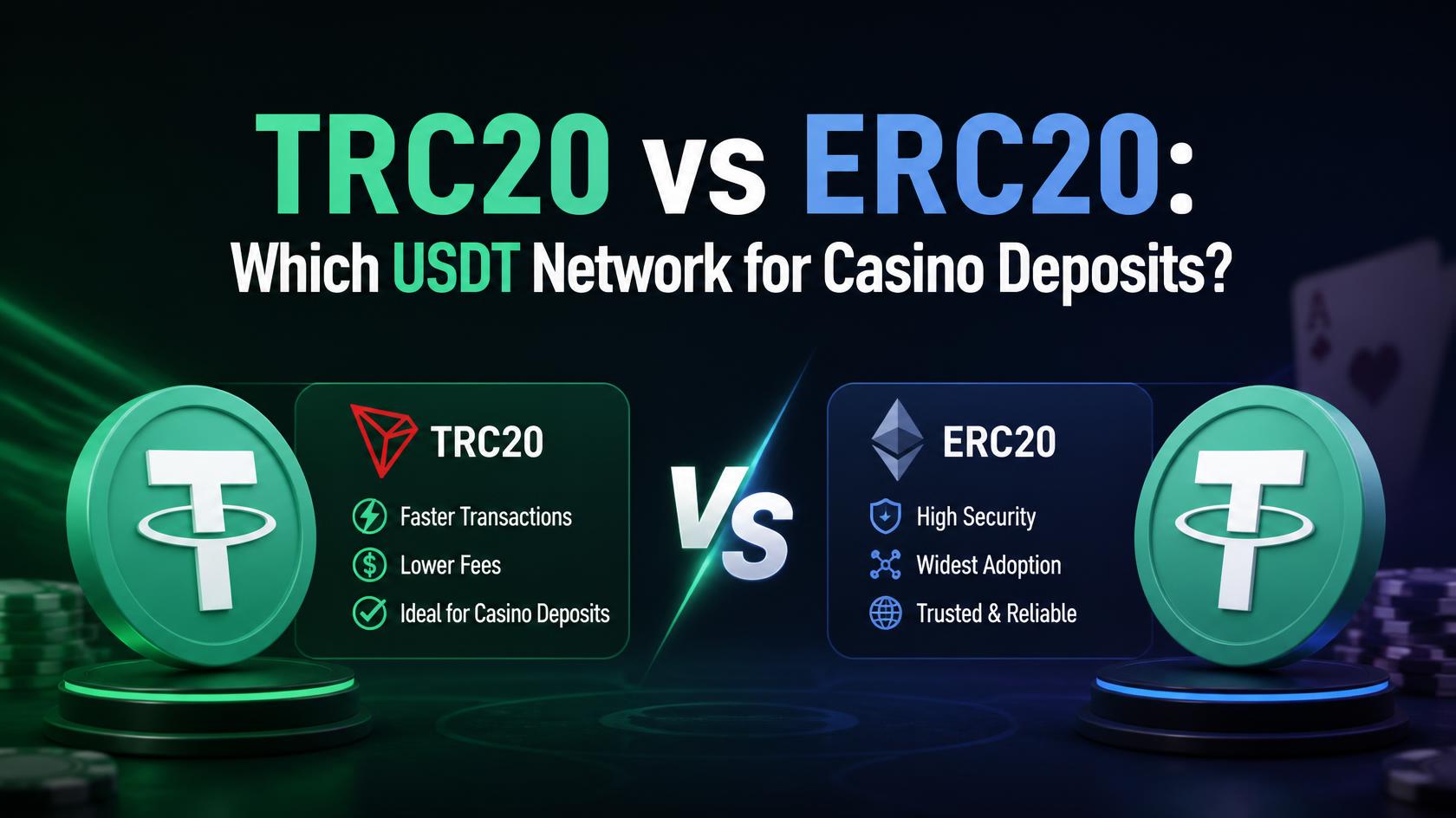
- Ethereum Network (ERC-20): Ethereum (ETH), USD Coin (USDC), Tether (USDT)
- Tron Network (TRC-20): Tether (USDT-TRC20), Tron (TRX)
- Other Supported Coins: Litecoin (LTC), Dogecoin (DOGE), Solana (SOL)
Deposits confirm on-chain and credit to your balance within 10-15 mins. The minimum deposit is $20.
- Open your wallet from the account menu and select deposit.
- Choose the cryptocurrency you want to deposit.
- Copy the generated address or scan the QR code.
- Send from your own wallet or exchange and wait for network confirmation.
- Your balance updates automatically and you can take a seat at any table.
Cashing out
Twinqo runs no KYC verification for standard withdrawals, so there is no document upload step and no waiting on a manual review queue. Withdrawal requests are processed within 1 hour and settle at network speed from there.
Two things to be aware of before you request a payout. First, if you claimed a deposit bonus, the wagering requirement attached to it must be cleared before bonus-derived funds become withdrawable. Second, blackjack usually contributes at a reduced rate toward wagering requirements compared to slots, because of its low house edge. Check the contribution rate in the bonus terms before you decide which game to clear a bonus on.
Related reading: how long instant casino withdrawals actually take and no KYC casinos with no ID verification.
Bankroll Management for Real Money Play
Basic strategy controls the house edge. Bankroll management controls how long you can play and how much a bad run costs you. They are separate problems.
- Set your session budget before you open a table, and treat it as spent money rather than money you expect back.
- Size your bet at 1% to 2% of your session bankroll. On a $200 bankroll that is $2 to $4 a hand, which sounds small and is what keeps you in the game through normal variance.
- Set a loss limit and a stop time, and hold both. Fast tables deal 200 or more hands an hour, so an hour of speed blackjack is a much bigger exposure than an hour at a live table.
- Never raise your bet to recover a loss. The cards have no memory of your previous hand and the house edge is identical on every round.
- Keep bonus funds and cash funds mentally separate, and know the wagering requirement before you start clearing it.
Blackjack has a low house edge but it is still an edge. Over enough hands the maths favours the casino, which is why session limits exist and why the game is entertainment rather than income.
Blackjack Welcome Bonus
New players can claim a 100% deposit match up to $200 with promo code DIAMOND100 on a minimum $50 deposit, plus 50 free spins delivered through SPINDROP50.
Term | Detail |
Promo code | DIAMOND100 |
Minimum deposit | $50 |
Bonus | 100% match, maximum $200 |
Free spins | 50 free spins via SPINDROP50, 20x wagering on spin winnings |
Wagering requirement | 10x |
Maximum cashout | $5,000 |
Maximum bet while wagering | $5 |
The free spins carry their own separate 20x wagering requirement and are not part of the main bonus wagering. Read the full terms before claiming.
Blackjack Terms Every Player Should Know
Term | What it means |
Blackjack (natural) | An ace plus any ten-value card on your first two cards, totalling 21. Pays 3:2 on a standard table. If the dealer also has one, the hand is a push. |
Bust | A hand total above 21. You lose immediately, regardless of what the dealer holds afterwards. |
Push | A tie with the dealer. Your original bet is returned and nothing is won or lost. |
Soft hand | A hand containing an ace counted as 11 without busting, such as ace plus 6 for a soft 17. The ace can drop to 1, so you cannot bust by taking one more card. |
Hard hand | A hand with no ace, or one where the ace must count as 1. Ace plus 10 plus 6 is a hard 17. |
Hit | Take another card. |
Stand | Take no more cards and end your turn. |
Double down | Double your bet and receive exactly one more card. |
Split | Separate a pair into two hands, each with its own bet matching the original. |
Surrender | Forfeit the hand after seeing the dealer upcard and recover half your bet. Not available on every table. |
Insurance | A side bet offered when the dealer shows an ace, paying 2:1 if the dealer has blackjack. Carries roughly a 6% house edge and should be declined. |
Upcard | The dealer’s face-up card, and the single piece of information your strategy decisions are built on. |
S17 / H17 | Whether the dealer stands or hits on a soft 17. S17 is better for the player by about 0.22%. |
RTP | Return to player, the percentage of wagered money a game returns over time with optimal play. The inverse of the house edge. |
Responsible Gambling and Eligibility
Twinqo operates under licence number ALSI-202505052-FI2 issued by the Anjouan Gaming Board. Licence details and the certificate are available at footer.
You must be at least 18 years old to open an account, or older where local law requires it. Online gambling is restricted or prohibited in some jurisdictions and it is your responsibility to confirm it is legal where you are before depositing.
Blackjack is entertainment, not a way to earn money. The house retains a mathematical edge on every hand no matter how well you play. Only gamble with money you can afford to lose, and stop if it stops being enjoyable.
Account tools available to you include deposit limits, session reminders, cooling-off periods and self-exclusion.