Let’s set the record straight because many players struggle with this. When talking about Infinity Reels vs Megaways, it’s not about the comparison of which slot mechanic is more flashy. It’s about two totally different ways a grid can be engineered to grow. One starts off small and expands with each win. The other starts off comparatively large and reshuffles itself before you’ve spun the reels. As soon as you identify the differences between Infinity Reels vs Megaways, you will never confuse the two.
So, What Exactly Is Infinity Reels?
Picture a slot that starts with just 3 reels and 4 rows. Small, simple, nothing dramatic. Now land a winning combination, and something interesting happens: an extra reel slides in. Win again, and another one shows up. This keeps going, reel after reel, for as long as your wins keep landing.
Developed and patented by ReelPlay, this expanding grid mechanic has no fixed ceiling. Some titles even stack a growing multiplier on top, adding +1x every time a new reel joins in, so a long streak doesn’t just add more symbols, it multiplies the payout too. This makes Infinity Reels one of the more recognizable expanding reels slots on the market today, and titles built around it tend to share that same building-momentum identity.
Real Examples: How Infinity Reels Titles Actually Perform
Numbers help here more than description alone, and the spread between titles is bigger than you’d expect. El Dorado Infinity Reels, ReelPlay’s original 2019 release, sits at medium-to-high volatility, pays out a 96.54% RTP, and caps its max win at 6,250x the stake. Zodiac Infinity Reels takes a different approach entirely: its top payout tops out lower, at 3,956x, but it makes up for that with an Infinity Bonus jackpot worth 888x the bet, triggered if a single spin somehow stretches to 13 reels or more. Two games, same core engine, and yet the actual experience of playing each one feels noticeably different once you factor in how the payouts are structured.
And What About Megaways – How’s That Different?
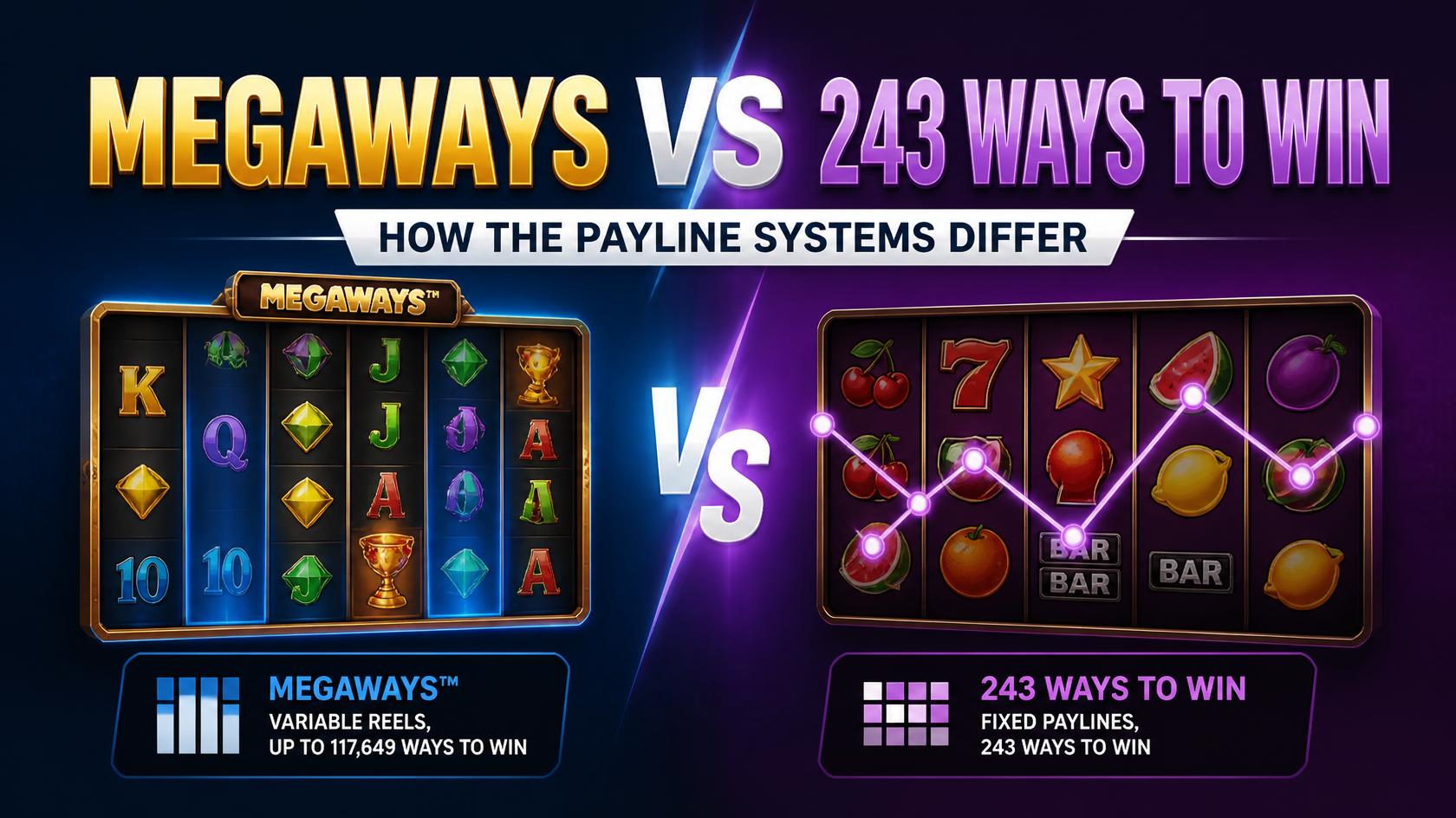
Megaways works almost backwards. Instead of growing from wins, the reel height changes randomly before every single spin. One reel might show two symbols, another might show seven, and that setup resets completely on the next spin regardless of what just happened, generating variable ways to win each time the reels stop.
This randomness is what generates those huge ways-to-win numbers Megaways is famous for. Most titles run six reels, each capable of showing two to seven symbols, which can add up to 117,649 or more ways to win on a single spin. Big Time Gaming launched the system in December 2016 through Bonanza, the title most commonly credited with popularizing the format, and licensed it out afterward to studios like Pragmatic Play and BGaming. That’s why you’ll see it stretched across so many different game themes today. Once you have the Megaways mechanic explained at this level, the format’s appeal becomes a lot easier to understand.
Real Examples: RTP and Ways-to-Win Across Megaways Titles
Bonanza set the template back in 2016, and it’s still worth using as the baseline: 96% RTP, 117,649 ways to win, medium-to-high volatility. Buffalo King Megaways took the same underlying formula and pushed it further, with a default RTP of 96.52% and nearly double Bonanza’s ways to win, at 200,704. And the ceiling keeps climbing depending on how a studio builds out the reel set; a handful of titles with extra reel columns have crossed past 470,000 ways to win. None of that is a fixed rule of the mechanic itself. It’s really just each studio deciding how far to push its own math model.
The Real Difference, in One Sentence
If you only remember one thing, make it this: Infinity Reels grow because you’re winning, while Megaways change because the spin is starting. That’s the entire Infinity Reels vs Megaways comparison in a nutshell. Everything else, volatility, pacing, bonus features, builds on top of that one core distinction.
Which Game Feels Faster to Play?
Here’s something a lot of comparisons skip. Megaways games tend to move quickly. Spins resolve fast, and wins often cascade through symbols dropping and refilling, so a session can feel snappy even during a long play stretch.
Infinity Reels plays out differently. Since the grid only grows when you’re actively winning, a single spin can stretch out for a while as reel after reel gets added, especially during a hot streak. It’s a slower burn, but that’s exactly what gives it its building tension. Whether that’s a plus or a downside really just comes down to whether you’re after quick, repeatable spins or a longer payoff building within one round.
Can a Slot Actually Use Both at Once?
Yes, and this is one of the more interesting overlaps between the two systems. Tiki Infinity Reels Megaways, ReelPlay’s own hybrid release, combines expanding reels with Megaways-style variable symbol counts in the same game. It runs at a 96.07% RTP with medium-to-high volatility, and its higher multipliers push the max win up to 10,000x the stake.
So while Infinity Reels and Megaways come from two entirely different studios and patents, they’re not mutually exclusive. A handful of titles genuinely stack both mechanics together, which tells you the two systems aren’t rivals so much as compatible building blocks.
Which One’s More Volatile, Infinity Reels or Megaways?
This is where a common assumption falls apart. Volatility comes down to the individual game’s math model, its multiplier curve, its symbol payout structure, not whether it’s built on expanding reels or variable reel height. High-volatility and medium-volatility titles both show up in either category, which means the mechanic itself won’t tell you much about how risky a specific game feels. Look back at the RTP figures above, even titles running the same engine swing noticeably in payout profile from one release to the next.
Quick Side-by-Side, If You Just Want the Summary
| Factor | Infinity Reels | Megaways |
| Starting point | 3 reels, grows with wins | Fixed reel count, usually 6 |
| What changes each spin | Nothing, unless you win | Symbol count per reel, every spin |
| Typical pacing | Slower, builds during a streak | Faster, resolves quickly |
| Patent holder | ReelPlay | Big Time Gaming |
| Max ways to win | No fixed ceiling | Often 117,649+, sometimes 470,000+ |
| Example RTP range | 96.07% – 96.54% | 96% – 96.52%+ |
How to Tell Which Mechanic a Slot Is Actually Using
Before you load up a new title, check the game’s info or paytable screen, most titles name the mechanic directly, either right in the game’s title or somewhere in the rules panel. Nothing listed? Watch the reel count during a demo spin instead. A grid that starts small and only grows after wins is Infinity Reels. A grid that’s already full-sized and reshuffles its symbol counts every spin, win or not, is Megaways.
So Which One Should You Actually Try First?
If you like the feeling of momentum building right in front of you, watching a small grid snowball into something much bigger, Infinity Reels is worth starting with. If you’d rather have a clean slate every spin, with unpredictability that doesn’t depend on a streak, Megaways is the better entry point.
There’s genuinely no wrong pick here. Both mechanics deliver strong win potential; they just arrive at it through opposite designs. For a broader look at how the Megaways format works across its full catalog of titles, our Megaways slots guide breaks it down in more depth.
Whichever mechanic you gravitate toward, it’s worth keeping in mind that high win potential also means these titles can burn through a bankroll fast during a cold stretch. Setting a session budget before you start is a simple habit that keeps either format enjoyable instead of stressful.
Now You Know Which Grid You’re Actually Watching
Infinity Reels and Megaways both chase the same goal, big win potential, unpredictable outcomes, but they get there in opposite ways. One grows because you’re winning. The other resets because the spin is starting fresh. Next time either grid is in front of you, you’ll know exactly what’s driving what you’re seeing.
RTP and max-win figures cited above reflect publicly available paytable data at the time of publication and can vary slightly depending on the platform or regional configuration.