Learning how to play slots properly is essential before spending real money on any slot machine. While many players assume slots are purely luck-based, modern machines are carefully designed systems built around probability, payout models, and player behavior. Understanding how slots work does not guarantee wins, but it does help you avoid costly mistakes and unrealistic expectations.
Slots are the most popular games in every casino, both online and land-based, because they are easy to access and require no prior experience. However, simplicity on the surface often hides important mechanics underneath. This guide breaks down how slot machines work, how casinos structure them, and what players should know before pressing spin.
What Are Slots?
Slots are gambling games where players spin reels in the hope of matching symbols according to predefined rules. Every slot machine operates independently, using software to determine outcomes instantly. Whether you are playing a digital slot online or a physical machine in a casino, the core principles remain the same.
Key Characteristics of Slots
- Outcome is determined randomly
- No skill or decision-making affects results
- Each spin is independent
- Payouts follow a predefined paytable
Slots appeal to players because they remove complexity. You don’t compete against other players, and you don’t need strategy charts. You simply choose a bet and play.
Why Slot Machines Dominate Every Casino?
Slot machines generate more revenue for casinos than any other game category. This dominance is not accidental. Machines are designed to be engaging, fast-paced, and visually stimulating.
Reasons Slots Are So Popular
- Low minimum bets
- Fast gameplay
- Wide variety of themes
- Bonus features and animations
- No learning curve
Online casinos amplify this appeal by offering hundreds or even thousands of slots, allowing players to switch machines instantly without waiting or pressure.
How Slot Machines Actually Work (RNG Explained Simply)?
Every slot machine runs on a Random Number Generator (RNG). This is a software system that produces random numbers continuously, even when the machine is idle. When you press spin, the RNG instantly selects a number that determines where each reel stops.
What Does This Means for Players?
- Past spins do not affect future spins
- A machine cannot become “hot” or “cold”
- Timing your spin does not improve odds
- Wins and losses are mathematically independent
This is one of the most important concepts to understand when learning how to play slots. Many players lose money because they believe patterns exist where none do.
Understanding RTP (Return to Player)
RTP is one of the few measurable metrics players can use when comparing slot machines. It represents the theoretical percentage of money a machine pays back to players over millions of spins.
RTP Example
| RTP Value | Meaning |
| 94% | Lower return, higher casino edge |
| 96% | Industry average |
| 98% | Very player-friendly |
Important:
RTP applies to long-term averages, not short sessions. A high-RTP slot can still lose in the short term, and a lower-RTP slot can still pay big.
Types of Slot Machines and How They Work
Slot machines are not all built in the same way. Some use physical reels and simple betting structures, while others use digital screens, interactive features, multiple paylines, and linked jackpots. Understanding the machine format helps players choose a game that fits their budget and preferred style of play.
| Slot machine type | How it works | Best suited to |
| Mechanical reel machine | Uses physical reels with a limited number of symbols and winning lines | Players who prefer traditional slot gameplay |
| Video reel machine | Uses digital reels, animated graphics, and feature-based gameplay | Players who enjoy free spins, bonus rounds, and varied themes |
| Hybrid slot machine | Combines reel-based play with a screen or mechanical bonus device | Players who want a mix of classic and interactive features |
| Multi-line machine | Lets players wager across several paylines on one spin | Players who want more potential winning combinations |
| Multi-denomination machine | Offers different credit values on the same machine | Players who want to adjust their spend without moving machines |
| Multi-coin machine | Allows several credits to be placed on one payline | Players who want to increase the value of eligible line wins |
| Progressive jackpot machine | Contributes qualifying stakes to a jackpot that grows until awarded | Players who understand that large prizes can involve higher volatility |
| Video poker machine | Uses poker hands and hold-or-draw decisions instead of spinning reels | Players who prefer card-based casino gameplay |
| 3D slot machine | Uses video reels with three-dimensional graphics, animated scenes, and visual effects | Players who prefer cinematic visuals and interactive presentation |
| Themed slot machine | Uses symbols, sounds, and features based on a specific topic or setting | Players who enjoy slots built around preferred subjects or interests |
| Branded slot machine | Uses officially licensed entertainment, media, or brand content | Players who enjoy recognisable films, television, music, sports, or game themes |
| Penny slot machine | Uses a one-cent credit denomination, often with several active paylines | Players looking for lower credit values and flexible stake options |
Mechanical Reel Machines
Mechanical reel machines use physical spinning reels, usually with three columns and a limited number of paylines. Their gameplay is generally straightforward, with familiar symbols such as bars, bells, fruit, and sevens.
These machines may have fewer bonus features than modern video slots, but players should still check the payout panel before betting. The number of credits wagered can affect the value of a winning combination and, on some machines, eligibility for the highest advertised payout.
Video Reel Machines
Video reel machines display digital reels on a screen and commonly use five reels or more. They can include multiple paylines, themed graphics, free-spin rounds, symbol multipliers, expanding Wilds, and interactive bonus features.
The main points to check are the total bet, the number of active paylines, the game’s winning direction, and the rules for feature triggers. A five-reel machine can look simple while using a detailed payout system, so the paytable should always be reviewed before playing.
Hybrid Slot Machines
Hybrid machines combine physical and digital elements. A player may spin traditional-style reels during the base game, then activate a video screen, wheel, or mechanical feature when a qualifying symbol combination appears.
These machines are designed to make bonus rounds more interactive. However, the trigger requirements and payout values still depend on the rules displayed in the game information.
Multi-Line Slot Machines
Multi-line machines use several paylines rather than a single horizontal line. These paylines may run straight across the reels or follow diagonal and zigzag patterns.
More active paylines create more possible winning positions, but they also raise the total cost of each spin. If a winning pattern lands on a line that was not activated, that result will not receive a payout.
Multi-Denomination Slot Machines
Multi-denomination machines allow players to choose among different credit values, such as 1¢, 5¢, 10¢, 25¢, or $1, from the same cabinet. This makes it easier to change the value of each credit without moving to another machine.
The denomination is not always the same as the total cost of a spin. A 1¢ game can still require dozens of credits per spin, so players should focus on the displayed total wager rather than the denomination alone.
Multi-Coin Slot Machines
Multi-coin machines let players place more than one credit on an active payline. Depending on the game, additional credits may multiply line-win payouts, unlock extra prize combinations, or improve eligibility for a top payout.
The game’s payout panel explains how extra credits change the award structure. Players should not assume that maximum betting is always necessary, as the requirement differs from one machine to another.
Progressive Jackpot Machines
Progressive jackpot machines feature a prize that increases as qualifying wagers are placed. The jackpot may be linked to one machine, a group of machines in the same casino, or a wider network.
Players should check whether a minimum stake is required to qualify for the progressive prize. Some machines include every eligible wager, while others require a particular bet level to activate top-jackpot eligibility.
Video Poker Machines
Video poker machines are often located in slot areas, but their gameplay differs from reel-based machines. Players are dealt a poker hand, choose which cards to keep, and receive replacements for the cards they discard.
The final hand is paid according to the machine’s paytable. Although players can make decisions during each round, they should compare paytables and understand the rules of the chosen variation before wagering.
3D Slot Machines
3D slot machines are video-based machines that use three-dimensional graphics, animated characters, detailed backgrounds, and visual effects. The reels operate in the same way as other video slots, but the game presentation is designed to feel more immersive.
A 3D slot may include story-led bonus rounds, animated symbol wins, and feature screens that react to the player’s result. These elements affect the appearance of the game, not the chance of winning. Players should still check the paytable, total wager, feature rules, and payout structure before playing.
Themed Slot Machines
Themed slot machines are built around a specific subject, setting, or style. A theme can influence the game’s symbols, reel design, music, bonus features, and overall presentation.
Common slot themes include:
- Ancient civilisations and mythology
- Fantasy worlds and adventure stories
- Animals and nature
- Sports and racing
- Music and entertainment
- Holidays and seasonal events
- Treasure hunts and exploration
The theme does not determine the machine’s payout potential or win frequency. Two slots with a similar theme may have different paylines, stake ranges, volatility levels, and bonus mechanics. The paytable provides the details that matter before placing a bet.
Branded Slot Machines
Branded slot machines are based on recognised entertainment properties or commercial brands. They can feature licensed films, television series, musicians, game shows, sports personalities, fictional characters, or other familiar content.
These machines may include recognisable sound effects, themed reel symbols, character-based bonus rounds, and visual elements connected to the brand. A branded title can make a machine more enjoyable for fans, but it should not be chosen solely because of its theme.
Before playing, review the machine’s total bet range, paytable, bonus trigger conditions, and jackpot rules. The popularity of a brand does not indicate whether a slot has higher payouts or more frequent wins.
Penny Slot Machines
Penny slot machines use a one-cent denomination, which means each credit is worth one cent. They are often chosen by players who want access to smaller credit values or a wider range of bet settings. However, a penny denomination does not always mean that one spin costs one cent. Many penny slots use multiple paylines, and the machine may require several credits per line.
For example, a machine with 25 active paylines and a one-cent credit value can have a minimum total bet of 25 cents or more. Always check the total wager displayed on the screen before spinning. The denomination tells you the value of one credit, while the total bet shows the actual amount you risk on each spin.
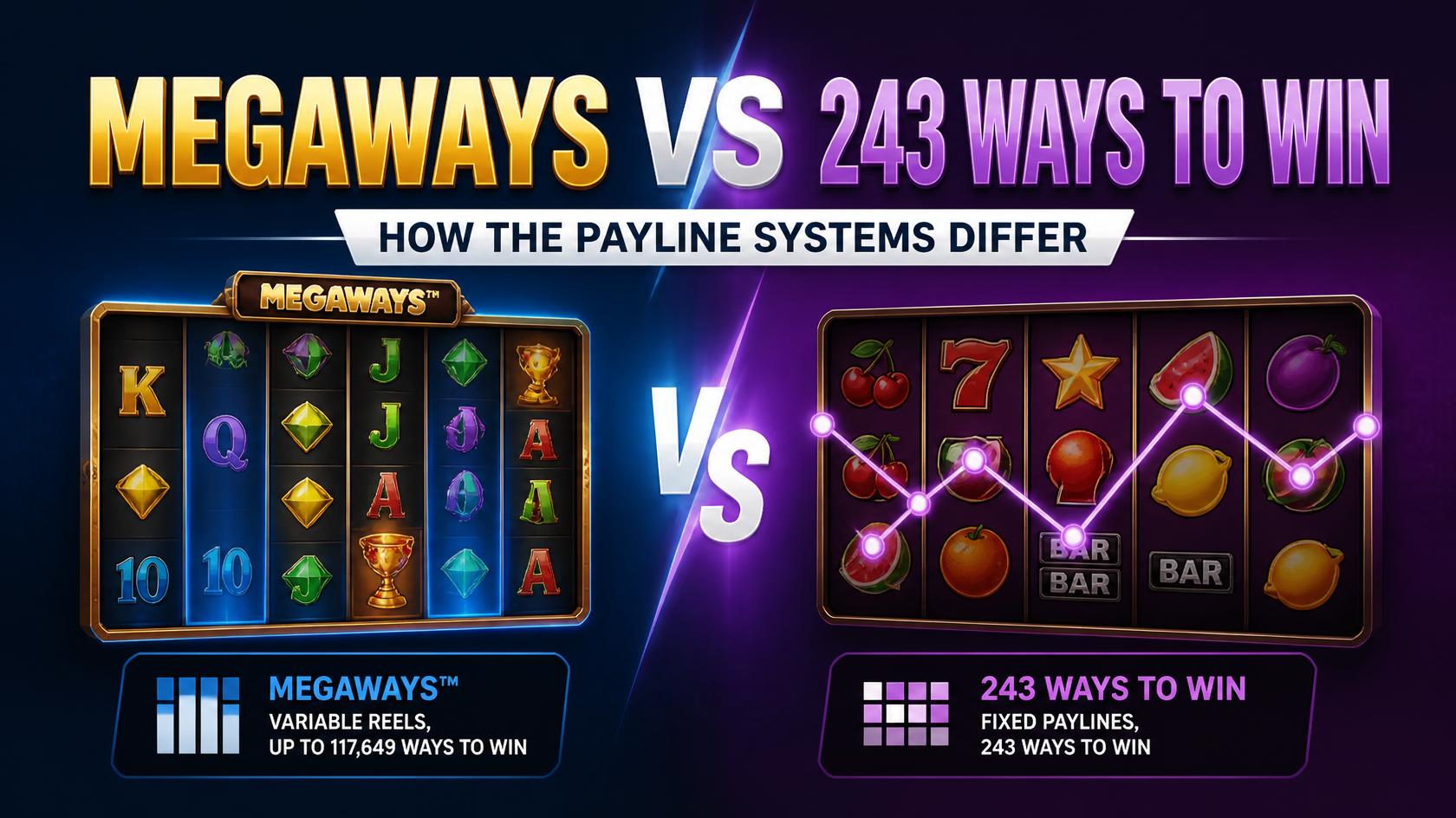
Reels, Paylines, and How Wins Are Formed
Every slot is built around reels and paylines, but not all machines use them the same way.
Core Slot Components
- Reels – Vertical columns that spin
- Paylines – Paths where matching symbols create wins
- Symbols – Icons that determine payouts
To fully understand payouts, players should learn how slot machine symbols interact with paylines, wilds, and scatter mechanics. These relationships define how wins are calculated and why some machines feel more rewarding than others.
Payline Types Explained
Modern machines often replace traditional paylines with more flexible systems, increasing engagement without changing underlying odds.
How to Play Slot Machines: A Step-by-Step Guide
Learning how to play slots begins with understanding the machine in front of you. The basic process is simple, but checking the game rules before placing a bet can prevent confusion about paylines, feature triggers, and payout eligibility.
Check the Paytable First
The paytable explains how the machine pays. Before starting, review:
- The value of regular symbols
- The highest-paying symbol
- The number of paylines or ways to win
- The direction in which winning combinations pay
- Wild, Scatter, and Bonus symbol rules
- Free-spin and bonus-round trigger conditions
- Minimum and maximum betting limits
- Jackpot eligibility requirements
The paytable is particularly important on video slots because two games with the same number of reels can use completely different payout mechanics.
Select a Total Bet
Choose the total amount you want to risk on each spin. On a multi-line machine, the displayed total bet may be divided across several paylines. For example, a 20-payline game with a $0.20 total bet may place $0.01 on each active line. If the game allows players to choose the number of active lines, reducing the number of lines can lower the total stake but may also reduce the number of winning patterns that are eligible to pay.
Start the Spin
Once the stake is set, press the Spin button. The machine determines the result instantly, then displays the reels stopping in their final positions. The symbols on screen may produce a regular win, activate a feature, trigger a jackpot opportunity, or result in no payout. A player cannot change the outcome by pressing the button at a certain time, stopping the reels early, or changing machines after a losing run.
Check Your Result
After every spin, review the win display to see whether the machine has awarded a line win, Scatter payout, multiplier, free spins, or a bonus feature. If a result is unclear, open the paytable rather than guessing. This is especially useful on games with several active paylines, cascading symbols, expanding Wilds, or multiple bonus mechanics.
Cash Out Within Your Plan
At a land-based casino, choosing Cash Out usually prints a voucher for the value of the remaining credits. The voucher can normally be used in another compatible machine or redeemed according to the casino’s payment rules. For online slots, unused funds remain in the player balance after the game is closed. Players should check whether bonus funds, free spins, or promotional credits have separate conditions before attempting to withdraw.
Online Slots vs Physical Casino Machines
Although online slots and land-based machines look similar, there are meaningful differences that affect gameplay.
Comparison Table
| Feature | Online Slots | Physical Machines |
| RTP | Usually higher | Usually lower |
| Game variety | Massive | Limited |
| Accessibility | Instant | Location-based |
| Bonuses | Frequent | Rare |
Online casinos often offer better payout structures because they operate with lower overhead. Physical machines compensate with atmosphere and social presence.
Volatility: Why Some Slots Feel “Tougher” Than Others?
Volatility describes how often a slot machine pays and how large those payments tend to be.
Volatility Breakdown
Example
- A low-volatility machine may pay small wins every few spins
- A high-volatility machine may pay nothing for long periods, then hit a large payout
Choosing the wrong volatility level is one of the most common beginner mistakes when playing slots in a casino.
Betting Options Explained: How Your Wager Impacts Slot Gameplay
One of the most misunderstood parts of learning how to play slots is betting structure. While slot machines appear simple, the way you place your wager directly affects session length, risk exposure, and payout size.
Most modern slot machines allow you to adjust your total bet rather than individual coin values. This makes gameplay easier, but it also hides how quickly your balance can change.
Common Betting Elements in Slots
| Betting Element | What It Controls | Why It Matters |
| Coin value | Value per credit | Affects payout size |
| Number of lines | How many paylines are active | More lines = more coverage |
| Total bet | Final amount per spin | Determines risk per spin |
| Buy feature | Instant bonus access | High risk, high cost |
Important:
Increasing your bet does not improve your odds of winning. Every slot machine calculates outcomes independently of wager size. Casinos benefit when players assume higher bets mean better chances, which is not the case.
Example
If a machine has a $0.20 minimum bet:
- $0.20 spins = longer playtime, smaller wins
- $5 spins = shorter sessions, larger swings
Choosing the right bet size is about control, not chasing wins.
What Wilds, Scatters, and Bonus Symbols Do
Special symbols can change the way a slot machine pays. They may help complete wins, unlock free spins, activate a feature round, or provide access to jackpots. Their appearance alone does not guarantee a payout, so players should always check the game’s symbol rules.
| Symbol type | Main purpose | Typical rule |
| Wild | Replaces selected standard symbols | Usually cannot substitute for Scatter or Bonus symbols |
| Scatter | Awards a payout or triggers a feature | Often counts regardless of payline position |
| Bonus | Opens a separate feature round | May need to land on specific reels |
| Multiplier | Increases the value of a qualifying win | May apply only during bonus features |
| Cash symbol | Displays a prize value during selected features | Often appears in hold-and-spin rounds |
| Jackpot symbol | Can trigger a fixed or progressive prize | May require a stated stake or symbol combination |
Wild Symbols
Wilds are substitute symbols that can help complete a winning combination. If two matching symbols appear on an active payline with a Wild between them, the Wild may count as the missing symbol and create a payout.
Wilds can also have added functions:
- Expanding Wilds cover additional symbol spaces on a reel
- Sticky Wilds remain in place for several spins
- Walking Wilds move across the reels during a feature
- Stacked Wilds appear in groups on the same reel
- Multiplier Wilds increase the value of a completed win
Wild rules vary by machine. In many games, Wilds cannot replace Scatters, Bonus symbols, or jackpot symbols.
Scatter Symbols
Scatter symbols often trigger free spins or special bonus rounds. They frequently count from any reel position, meaning they may not need to land on a regular payline.
A slot may require three Scatters to activate free spins, while four or five Scatters may unlock more spins, an upgraded multiplier, or a higher-value feature. The exact trigger rule and payout structure are shown in the game’s paytable.
Bonus Symbols
Bonus symbols usually activate a feature that is separate from the standard reel game. Depending on the slot machine, a Bonus trigger may unlock a prize picker, wheel spin, hold-and-spin round, cash collection feature, or a choice of free-spin modes.
Some machines require Bonus symbols to land on specific reels. Others award the feature when a certain number appears anywhere on the screen. Always check the machine rules to see how the feature is activated.
Bonus Features: How Slots Pay Beyond the Base Game
Modern slots rely heavily on bonus mechanics to distribute payouts. While base spins handle small wins, bonus rounds often carry the majority of a machine’s potential value.
Common Bonus Types in Slot Machines
- Free Spins – Spins without deducting balance
- Multipliers – Increase win values (x2, x5, x10+)
- Wild Expansions – Wild symbols cover reels
- Re-spins – Locked symbols with extra chances
- Pick-and-Click Games – Interactive bonus rounds
Each slot machine distributes rewards differently. Some machines trigger bonuses frequently with low value, while others offer rare but massive payouts.
This is why two machines with the same RTP can feel completely different to play.
Understanding Volatility With Simple Examples
Volatility defines how a slot machine pays, not how much it pays over time.
Volatility Comparison Table
| Volatility Level | Win Frequency | Win Size | Best For |
| Low | Very frequent | Small | Casual play |
| Medium | Balanced | Moderate | Most players |
| High | Rare | Large | Risk-takers |
Practical Example
- A low-volatility slot might pay $2–$5 every few spins
- A high-volatility slot may pay nothing for 50 spins, then suddenly hit $500
Knowing this helps players choose machines that match their patience and bankroll instead of blaming the casino when results vary.
Types of Slot Jackpots and How They Are Won
A jackpot is the highest-value prize connected to a slot machine, but jackpots can be awarded in several different ways. Some stay at a fixed value, while others increase as more players place eligible bets.
| Jackpot type | How it works | What to check |
| Fixed jackpot | Offers a stated prize amount until a player wins it | Required symbol combination and qualifying bet |
| Standalone progressive | One machine contributes to its own growing jackpot | Whether all stake levels are eligible |
| Local linked progressive | Multiple machines in the same casino feed one prize pool | Which machines are connected |
| Wide-area progressive | Machines across several casinos or platforms contribute to one jackpot | Minimum wager and trigger requirements |
| Multi-level progressive | Includes several jackpot tiers with different values | How each jackpot level is awarded |
| Mystery jackpot | Can trigger randomly during qualifying play | Eligible machine types and minimum bet |
| Must-hit-by jackpot | Must be awarded before reaching a displayed upper value | The current meter value and upper threshold |
Fixed Jackpot
A fixed jackpot has a predetermined prize amount that does not increase as players place bets. The jackpot remains at the same value until a player lands the required winning combination. For example, a slot machine may offer a $1,000 top prize for landing five top-value symbols on an active payline. Once the prize is won, the jackpot normally returns to the same $1,000 amount. Before playing, check the paytable for the exact symbol combination needed and whether the machine requires a specific number of active paylines or credits to qualify.
Standalone Progressive Jackpot
A standalone progressive jackpot is connected to one individual slot machine. A small share of eligible wagers placed on that machine contributes to the jackpot meter, causing the prize to rise over time. When a player triggers the progressive jackpot, the displayed amount is awarded and the meter resets to its starting value. It then begins increasing again as more qualifying spins are made. This type of jackpot typically grows more slowly than a linked progressive because only one machine contributes to the prize pool. Check whether every stake level qualifies, as some machines only award the progressive prize when a minimum number of credits is played.
Local Linked Progressive Jackpot
A local linked progressive connects multiple machines within the same casino to one shared jackpot. Each qualifying wager on any connected machine adds a small amount to the same prize pool. For example, a casino may link 20 selected slot machines on its gaming floor. A player using any one of those machines can trigger the shared jackpot, and the prize resets once someone wins it. Local linked jackpots can grow faster than standalone progressives because several machines contribute at once. Look for a display showing which machines are part of the link and confirm whether the same jackpot rules apply to all participating machines.
Wide-Area Progressive Jackpot
A wide-area progressive jackpot connects slot machines across more than one casino, venue, or online platform. Because a large number of players may be contributing to the same prize pool, the jackpot can grow much larger than a local progressive. These jackpots are commonly associated with recognised slot networks, where the same game title is available at many participating locations. One qualifying spin from any connected machine can trigger the top prize. Before playing, check the required stake. Some wide-area progressive machines require players to bet the maximum number of credits, while others qualify players at every eligible bet level.
Multi-Level Progressive Jackpot
A multi-level progressive machine has more than one progressive prize. Instead of offering only one rising jackpot, it may include several levels, such as Mini, Minor, Major, and Grand. The smaller jackpot levels are generally easier to trigger and may be awarded through a bonus round, random prize event, or specific symbol combination. The larger levels may have stricter conditions or be more difficult to trigger. For example, a slot may award a Mini jackpot during a hold-and-spin feature, while the Grand jackpot requires all positions in the feature grid to be filled. Review the machine rules to understand how each jackpot level is triggered and whether different stake levels affect eligibility.
Mystery Jackpot
A mystery jackpot is awarded at random during qualifying play. Unlike a traditional jackpot that requires a visible top-symbol combination, a mystery jackpot can appear after any eligible spin. The jackpot trigger is built into the game rules, but players do not know exactly when it will happen. This can make mystery jackpots feel different from standard progressives because a player may receive the prize without landing a specific jackpot pattern on the reels. Check which machines or games are eligible and whether a minimum wager is required. Some mystery jackpots are linked across several machines, while others are attached to a single game or casino promotion.
Must-Hit-By Jackpot
A must-hit-by jackpot has a displayed upper limit and must be awarded before it reaches that amount. For instance, a jackpot could begin at $100 and be programmed to pay before the meter reaches $500. The jackpot amount increases through qualifying wagers, but the exact moment it triggers remains random. It may pay at $240, $399, $487, or any other value below the maximum threshold. A must-hit-by jackpot that is close to its upper limit can appear more appealing, but it does not guarantee that the next player or next spin will win. Players should still check the minimum bet, participating machines, and game rules before playing.
Bankroll Management: The Skill Most Slot Players Ignore
Even though slots require no decision-making skill, bankroll management is what separates controlled players from frustrated ones.
Simple Bankroll Rules for Slot Play
- Divide your balance into multiple sessions
- Risk no more than 1–2% per spin
- Set a loss limit before you start
- Stop after significant wins to protect gains
Example Session Plan
If your bankroll is $200:
- Session size: $50
- Bet size: $0.50–$1.00
- Spins per session: 50–100
This approach keeps machines entertaining instead of overwhelming.
Slot Myths That Hurt Players
Slot machines generate myths because outcomes feel emotional. Understanding facts removes unnecessary stress.
Common Slot Myths (Debunked)
- “This machine is due”
- “Switching machines increases chances”
- “Casinos control wins in real time”
- “Max bet is always best”
Reality:
- Each spin is independent
- RNG determines outcomes instantly
- Casinos cannot manually influence results
Once you understand this, slots become more enjoyable and less frustrating.
Choosing the Right Slot Machine for You
Not all machines are designed for the same type of player. Choosing the wrong slot can make even a good casino experience feel disappointing.
Slot Selection Checklist
- Check RTP (preferably 96%+)
- Match volatility to bankroll
- Review bonus mechanics
- Understand paylines or ways-to-win
- Learn how slot machine symbols interact
Players who explore different styles tend to enjoy slots more than those who stick blindly to one machine.
Where Slot Games Are Headed Next?
Slot machines continue to evolve with better visuals, deeper bonus structures, and more interactive gameplay. Developers are focusing on immersion, skill-inspired mechanics, and faster bonus access.
The future of slot games points toward:
- More player choice
- Smarter bonus triggers
- Cross-device compatibility
- Crypto-friendly integration
Understanding these trends helps players adapt and enjoy newer machines instead of sticking only to older formats.
Ready to Start Playing Slots?
Now that you know how to play slots, the next step is choosing a casino that offers the right games, fair mechanics, and real value. Twinqo offers a strong selection of slots, frequent promotions, and player-friendly bonuses, making it a practical place to put what you’ve learned into action.
Explore slots at Twinqo, start small, use the bonuses wisely, and always play responsibly.
Responsible Gambling Notice
Gambling should be enjoyable and never viewed as a way to earn money or recover losses. Set a budget, choose a time limit, and stop when you reach either limit. If gambling is affecting your finances, wellbeing, or relationships, confidential support is available through National Problem Gambling Helpline at 1-800-MY-RESET, GamCare at 0808 8020 133, or Gamblers Anonymous at 855-222-5542.