A small casino deposit should not lose a large share of its value before it reaches the cashier. For deposits around $10 to $30, the strongest options are usually Litecoin, USDT TRC20, Solana, Dogecoin, Bitcoin Cash, and Lightning Bitcoin because they can offer a more efficient route than standard Bitcoin or Ethereum-based token transfers. Players comparing operators should also check whether a $20 minimum deposit casino accepts their preferred coin and network before sending funds.
The payment screen may show several crypto names, but the network behind each option matters just as much as the coin itself. Bitcoin, Litecoin, USDC ERC20, Lightning Bitcoin, Ethereum ERC20, Tether ERC20, Tether TRC20, Dogecoin, Solana, Tron, Bitcoin Cash, and USD Tether ERC20 all serve different use cases. The best choice depends on whether the player prioritises speed, a fixed dollar budget, low fees, or a familiar withdrawal method.
Fastest cryptos for small casino deposits
Speed is important for small deposits because players usually want to fund an account, claim an eligible offer, or begin playing without waiting through several lengthy confirmation cycles. However, the blockchain’s speed is only one part of the process. A casino may still wait for its own required number of confirmations before crediting the balance.
For low-value deposits, the fastest practical options are generally Solana, Lightning Bitcoin, Tron, USDT TRC20, and Dogecoin. Litecoin and Bitcoin Cash are also efficient, although their confirmation process is typically slower than Solana or Lightning payments.
The best fast crypto is not simply the network with the shortest technical block time. It should also be supported by the casino, accepted by the sending wallet or exchange, and affordable relative to the amount being deposited.
| Cryptocurrency / Network | Typical Network Fee for a Small Transfer | Network Speed | Casino Acceptance |
| Lightning Bitcoin | Very low, often under $0.10 | Near-instant, often seconds | Available where Lightning is supported |
| Solana (SOL) | Very low, often below $0.01 | Usually seconds; network slots are around 400 milliseconds | Growing |
| Tron (TRX) | Low, usually below $1 | Blocks produced about every 3 seconds | High where TRON is listed |
| USDT TRC20 | Low, often around $1 to $3 depending on TRX resources and wallet | Usually seconds to around 1 minute | High |
| Dogecoin (DOGE) | Very low, often below $0.10 | New blocks target around 1 minute | High |
| Litecoin (LTC) | Very low, often below $0.05 | New blocks target around 2.5 minutes | Excellent |
| Bitcoin Cash (BCH) | Very low, often below $0.10 | Around 10 minutes per block target | Moderate |
| Bitcoin (BTC) | Variable, from a few dollars to much higher during congestion | Around 10 minutes per block; casino crediting can take longer | Excellent |
The best option for a small deposit is not always the most widely used coin. Players who want to compare broader payment support, transaction costs, and casino availability can review the top cryptocurrency at online casino before choosing a deposit method.
Litecoin: best all-round crypto for small casino deposits
Litecoin is often the most balanced option for a small casino deposit. It is easy to find on exchanges, supported by many wallets, and familiar to players who want an alternative to Bitcoin without navigating token standards or smart-contract network settings.
Launched in 2011 as a Bitcoin fork, Litecoin was created by Charlie Lee to provide faster and more practical peer-to-peer transfers. It uses a Scrypt-based proof-of-work system and targets a new block about every 2.5 minutes, compared with Bitcoin’s approximate 10-minute block target.
That does not mean every Litecoin casino deposit arrives in exactly 2.5 minutes. The actual credit time depends on the wallet broadcast, the casino’s required confirmations, and internal processing. Still, Litecoin’s design makes it a strong choice for players who want a more efficient payment route than standard on-chain BTC.
Why Litecoin works for smaller bankrolls
Litecoin is especially useful when the player wants to preserve the value of a $20 deposit. Its network costs are often more manageable than Ethereum gas fees, and it does not require holding a second asset solely to pay token-transfer fees.
It is also operationally simple. The player selects Litecoin in the casino cashier, copies the LTC address, chooses Litecoin in the wallet or exchange, and confirms the payment. There is less potential for confusion than with USDT, which can appear on several incompatible networks.
Litecoin’s speed and payment features
- Launched in 2011 as an early Bitcoin-derived cryptocurrency
- Uses a 2.5-minute target block time
- Produces blocks about four times more frequently than Bitcoin
- Uses the Scrypt mining algorithm rather than Bitcoin’s SHA-256 model
- Works as a native coin transfer, so players do not need ETH or TRX to move an LTC token
- Offers a useful balance between established market recognition and payment efficiency
Litecoin is still a volatile cryptocurrency. A player who buys LTC days before gambling may see its dollar value change. It works best for users who buy, transfer, play, and withdraw within a relatively short period or who are comfortable keeping some exposure to LTC.
A well-structured Litecoin Casino guide should compare whether casinos support LTC for withdrawals as well as deposits, because the cheapest deposit route is less useful if the player must convert funds through a costly alternative to withdraw.
USDT TRC20: best for a precise dollar deposit
USDT casino payments using TRC20 are a practical choice for players who prefer to set a fixed gambling budget. Instead of estimating how much Litecoin, Dogecoin, or Solana equals $20 at the time of transfer, players at a USDT casino can send approximately 20 USDT.
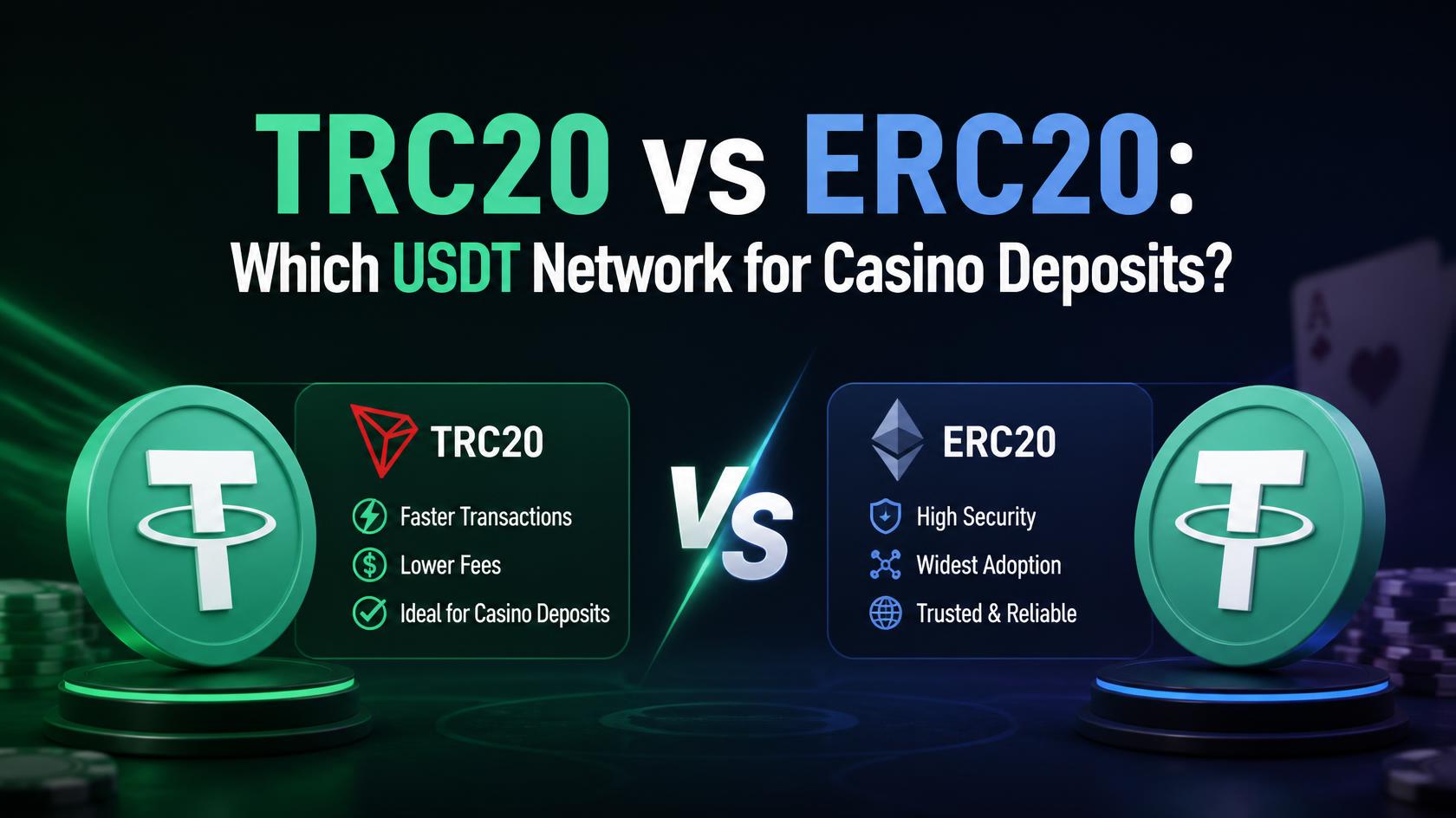
USDT is a stablecoin designed to track the value of the US dollar, making it easier to manage a consistent casino budget. TRC20 identifies the TRON network used for the transfer. This distinction is important because USDT is also available on Ethereum as USDT ERC20, and the two networks should not be treated as interchangeable payment routes. When making a USDT casino deposit, always select the network supported by the casino.
Why USDT TRC20 is strong for a $20 deposit
The main benefit is predictability. A player can decide that $20 is the complete session budget, send 20 USDT, and avoid seeing the balance shift because Bitcoin or SOL moved in price.
USDT TRC20 can also be more practical than Ethereum-based stablecoins for smaller transfers. ERC20 transactions require ETH for gas, and the fee can be significant compared with a low deposit amount. TRC20 transfers rely on the TRON resource system instead.
USDT TRC20’s speed and payment features
- Uses Tether’s USDT stablecoin on the TRON blockchain
- Lets players deposit a dollar-denominated amount rather than a volatile coin value
- Benefits from TRON’s short block-production intervals
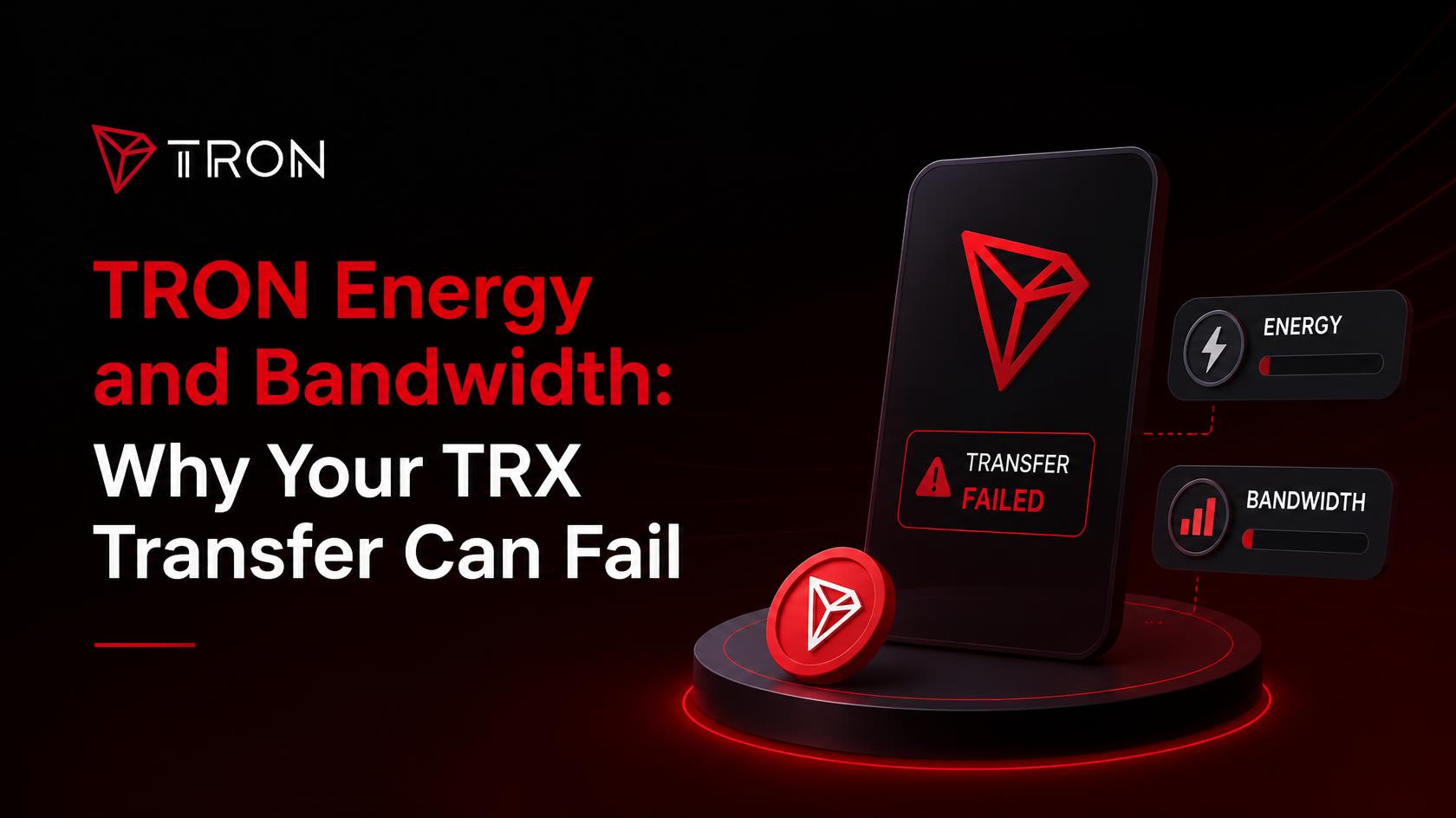
- Uses TRX resources, including bandwidth and energy, for transaction processing
- Requires the sender to have enough TRX or available network resources to complete a token transfer
- Can be efficient for regular small deposits when the sending wallet or exchange supports the network
Do not assume every TRC20 transfer costs the same. A wallet with staked TRX or available energy may handle fees differently from a wallet that burns TRX to pay for the transaction. Exchange withdrawal charges can also differ from the blockchain’s own cost.
Solana: the fastest native-coin option for many players
Solana is one of the most technically capable options for a fast casino deposit. The project began in 2017 after Anatoly Yakovenko introduced the Proof of History concept, and the Solana mainnet went live later as a network built to process high transaction volumes with low per-transaction costs.
For a solana casino, the network’s architecture is particularly relevant because it combines Proof of Stake with Proof of History, a cryptographic timing method that helps validators establish transaction order efficiently. Instead of requiring network participants to repeatedly coordinate the sequence of events, Proof of History creates a verifiable historical record that can help reduce coordination delays.
For casino users, the result is a payment network that can process transfers rapidly. A Solana transaction may be visible quickly, though the casino still controls when the deposit becomes available in the account balance.
When Solana is better than Litecoin or USDT
Solana is a strong choice for players who already hold SOL and want a rapid, low-cost transfer. It can also suit players who make small, regular deposits and want to avoid the cost structure of Ethereum-based token payments.
It is less suitable for someone who would need to buy SOL solely for one deposit and then convert it again after withdrawal. In that case, the extra exchange steps may remove the benefit of the cheap network transfer.
Solana’s speed and payment features
- Uses a Proof of Stake and Proof of History architecture
- Processes transactions with very short slot times
- Is designed for high throughput rather than Bitcoin-style block intervals
- Can offer low transaction costs for native SOL transfers
- Requires a small SOL balance to cover network fees
- Supports a growing ecosystem of wallets and decentralised applications
Solana is not automatically the best option at every casino. Its technical speed is valuable only if the operator accepts it directly, applies a sensible deposit minimum, and supports a practical withdrawal route.
Lightning Bitcoin: fastest route for small BTC deposits
Lightning Bitcoin is not a separate coin. It is a payment layer that allows Bitcoin payments to be routed off the main blockchain and settled without waiting for regular block confirmations in the same way as an on-chain transaction.
This makes it particularly relevant for small casino deposits. Bitcoin is widely recognised, but on-chain BTC can become inconvenient for low-value transfers when network fees rise. Lightning is designed to make smaller Bitcoin payments faster and more economical. The Lightning Network describes its purpose as enabling instant payments without reliance on standard block-confirmation waiting times.
A player who keeps their bankroll in Bitcoin may find Lightning more useful than converting BTC into an alternative coin just to make a $20 casino deposit.
Why Lightning can beat standard Bitcoin for micro-deposits
Standard Bitcoin transactions are broadcast to the blockchain and generally wait to be included in a block. Lightning payments instead use payment channels and invoice-based routing. That can significantly reduce the wait associated with a small BTC payment.
The casino must specifically support Lightning Bitcoin. A regular BTC address and a Lightning invoice are not the same thing, and sending funds through the wrong method can cause avoidable problems.
Lightning Bitcoin’s speed and payment features
- Built as a payment layer for Bitcoin rather than a replacement coin
- Designed for small, fast Bitcoin transfers
- Uses Lightning invoices, QR codes, or compatible payment requests
- Can avoid standard Bitcoin block-confirmation waits
- Requires a wallet that supports Lightning functionality
- May be more efficient than on-chain BTC for low-value casino deposits
Players should check the invoice amount and expiry time before paying. They should also confirm whether the casino accepts Lightning withdrawals, not only deposits.
Dogecoin and Bitcoin Cash: established alternatives for low-value play
Dogecoin and Bitcoin Cash are useful alternatives for players who already hold either asset. Both can be more practical for modest transactions than standard Bitcoin, although both remain volatile and may not appear at every casino cashier.
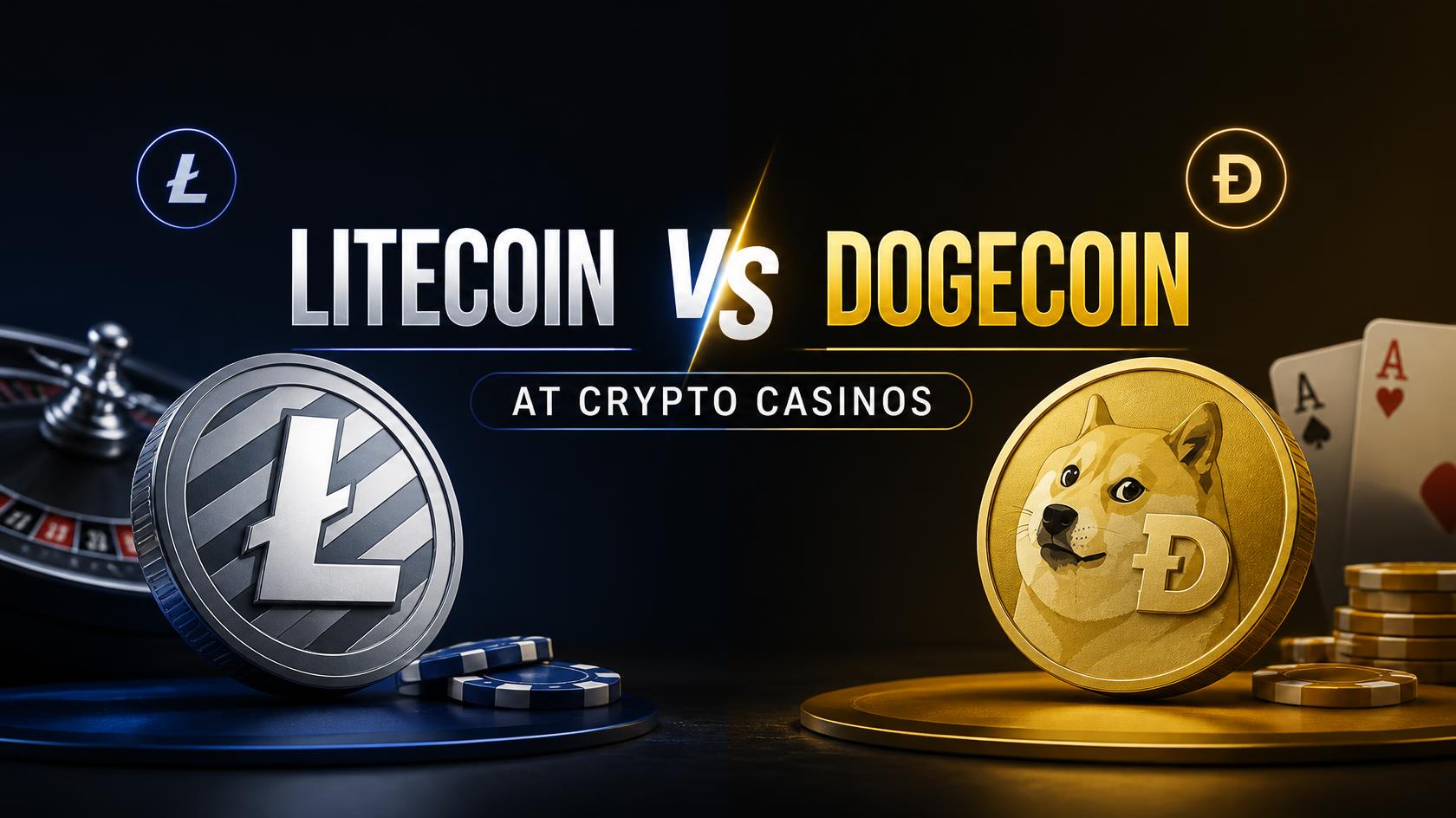
Dogecoin was launched in December 2013 by Billy Markus and Jackson Palmer. It began as a light-hearted cryptocurrency inspired by the Doge meme but has remained active as a peer-to-peer payment network. Dogecoin targets one-minute blocks, which is substantially shorter than Bitcoin’s ten-minute target, making it suitable for players looking for relatively quick Dogecoin casino deposits.
Bitcoin Cash emerged in 2017 through a Bitcoin blockchain split. Its supporters focused on retaining the electronic-cash use case by increasing block capacity, aiming to make smaller transactions more practical than they could be under a constrained Bitcoin block environment.
Dogecoin for casual small deposits
Dogecoin is most useful when a player already owns DOGE and the casino offers a compatible deposit and withdrawal method. Its quicker block schedule can make it more responsive than standard BTC, while its community recognition makes it relatively easy to buy and store.
Its drawback is price volatility. Dogecoin can move significantly against the dollar, so it is less suitable than USDT for a player who wants a strictly fixed budget.
Dogecoin’s speed and payment features
- Launched in 2013 as a peer-to-peer cryptocurrency
- Targets a one-minute block interval
- Uses a Scrypt-based proof-of-work model
- Is generally simpler to send than a multi-network stablecoin
- Can be useful for players who already hold DOGE
- Remains exposed to market-price movement before and after gambling
Bitcoin Cash for budget-led casino payments
Bitcoin Cash can be useful for players who prefer a direct native-coin transaction without using an Ethereum or TRON token. Its payment-focused positioning makes it relevant to casino users who want an established crypto asset for smaller transfers.
The deciding factor is support. A player should verify that Bitcoin Cash is available for both deposit and withdrawal before choosing it over Litecoin or USDT TRC20.
Bitcoin Cash’s speed and payment features
- Created in 2017 after a Bitcoin network split
- Uses a Bitcoin-derived proof-of-work framework
- Focuses on peer-to-peer electronic cash use
- Supports direct BCH transfers without token-network selection
- Can be a practical alternative when BTC fees are unattractive
- Requires players to check the exact BCH address and cashier minimum
Tron: useful for TRX holders and TRC20 users
TRX is the native cryptocurrency of the TRON network. It can be used directly as a casino deposit where listed, but it has another important purpose: it is used to provide the network resources required for TRC20 activity.
For players using USDT TRC20 at a Tron casino, keeping some TRX in the wallet can be important. A USDT balance alone may not always be sufficient to complete a TRC20 transaction because smart-contract activity can require network resources such as energy and bandwidth.
This makes TRON-based casino payments different from Ethereum transactions, where users generally pay network fees through Ethereum’s gas mechanism. Before depositing at a Tron casino, check which TRC20 assets are supported, confirm the deposit address and network, and keep enough TRX available for applicable transaction costs.
When direct TRX deposits make sense
TRX can work well if the player already owns it, the casino accepts it, and the casino also supports a low-friction TRX withdrawal. It may be less suitable for someone seeking a fixed $20 casino balance, because TRX itself has a fluctuating market price.
For most budget-led players, USDT TRC20 is usually the more controlled TRON-based choice. It uses the same broad network ecosystem while offering a dollar-linked deposit value.
Tron’s speed and payment features
- Founded in 2017 and launched its independent mainnet in 2018
- Uses delegated proof of stake with Super Representatives
- Produces blocks at short intervals
- Uses bandwidth and energy resources rather than Ethereum-style gas alone
- Supports direct TRX transfers and TRC20 token transfers
- Requires careful wallet management when sending USDT TRC20
Bitcoin, Ethereum, USDT ERC20 and USDC ERC20: use with caution on small deposits
Bitcoin and Ethereum are among the most recognised cryptocurrencies at online casinos, but broad acceptance does not always make them the best fit for a $20 deposit.
Bitcoin was launched in 2009 as the first decentralised cryptocurrency. It remains highly liquid and is accepted at many casinos, but standard on-chain transactions use a roughly ten-minute block target and can become inefficient for small deposits when network fees rise.
Ethereum launched in 2015 and introduced an environment for programmable smart contracts. It is the foundation for ERC20 tokens, including USDT ERC20 and USDC ERC20. These stablecoins may be useful for players who need Ethereum-based assets, but each transfer requires ETH to pay network gas.
Why ERC20 tokens can reduce a small bankroll
USDT ERC20, Tether ERC20, USD Tether ERC20, and USDC ERC20 are all Ethereum-network payment options. The naming can look confusing, but the key point is straightforward: ERC20 means the transfer uses Ethereum.
For a low-value deposit, Ethereum gas may be a poor fit because the fee can represent a meaningful part of the amount sent. This does not make ERC20 payments unsafe or unsuitable. It means players should calculate the final transaction cost before choosing them.
Bitcoin and Ethereum payment features
- Bitcoin uses a proof-of-work network and an approximate ten-minute block target
- Standard BTC is widely accepted but may be less efficient for micro-deposits
- Ethereum enables smart contracts and ERC20 token issuance
- USDT ERC20 and USDC ERC20 require ETH for gas fees
- Tether ERC20 and USD Tether ERC20 refer to USDT transferred on Ethereum
- ERC20 tokens must never be sent to a TRC20 address
Choosing the right small-deposit crypto in five checks
The ideal choice is the accepted crypto that delivers the largest usable share of the deposit to the casino account. A fast network helps, but it does not replace careful payment verification.
A practical deposit checklist
- Select the exact coin and network in the casino cashier before opening your wallet.
- Check the casino’s minimum deposit for that individual payment option.
- Review the wallet’s total cost, including the network fee and any exchange withdrawal charge.
- Confirm the network match: LTC to Litecoin, SOL to Solana, TRC20 USDT to TRC20, and ERC20 USDT or USDC to ERC20.
- Keep the transaction ID until the casino credits the balance.
The most important rule for stablecoins
USDT is not enough information on its own. The network label is part of the payment instruction. USDT TRC20 must go to a TRC20 address, while USDT ERC20 must go to an Ethereum ERC20 address. The same rule applies to USDC ERC20.
Five Checks Before Making a Small Crypto Casino Deposit
Small deposits leave little room for error. Before sending crypto to a casino, review these five points to protect your bankroll and avoid payment issues.
- Confirm the deposit threshold: Check the minimum amount for the exact coin and network. Sending less than the stated requirement may prevent the casino from crediting the balance.
- Use the identical network: Match the cashier selection with your wallet setting. For example, choose TRC20 in both places when sending USDT TRC20.
- Calculate the full sending cost: Review the blockchain fee and any exchange withdrawal charge before confirming. A high fee can make a small deposit poor value.
- Check the receiving address carefully: Copy the casino address directly, then compare its first and last characters before sending. Never type a crypto address manually.
- Keep proof of payment: Save the transaction ID, amount, selected network, and receiving address until the casino credits your account.
The smart choice protects more of your bankroll
Litecoin is the best all-round cryptocurrency for most small casino deposits because it is established, simple to use, and better suited to low-value transfers than many higher-cost alternatives. USDT TRC20 is the strongest option for players who want a stable $20-style budget and a fast network route.
Solana and Lightning Bitcoin are excellent choices for speed-focused players with compatible wallets. Dogecoin and Bitcoin Cash are practical alternatives for users who already hold them, while Tron is especially useful for players using TRC20 assets.
Bitcoin, Ethereum, USDT ERC20, Tether ERC20, USD Tether ERC20, and USDC ERC20 remain valid options, but they need closer fee checks before a small transfer. The best crypto is the one that matches the casino’s network, clears its minimum requirement, and leaves the greatest possible share of the bankroll available to play.
Disclaimer
This article is for general informational purposes only and does not provide financial, investment, tax, legal, or gambling advice. Cryptocurrency values, network fees, deposit limits, casino payment availability, and local gambling regulations can change.
Only gamble where it is legal, check the casino’s current terms before depositing, and never risk funds you cannot afford to lose.