Learning how to win at slots begins with a realistic expectation. Slot machines can produce profitable spins, strong bonus payouts, and winning sessions, but no player can force a result or follow a system that guarantees long-term profit.
The practical answer to how to win at slots is to make better decisions about game selection, risk level, bet size, bonus conditions, and session limits. These decisions do not influence the next random outcome. They can, however, help you avoid unnecessary risk and choose slot machines that fit your budget and playing style.
This guide explains what slot machines are, how RNG works, why RTP and volatility matter, how to assess bonus features, and which habits can help you play with more control.
Smarter Slot Machine Play
|
What Are Slot Machines?
Slot machines are casino games that use reels, symbols, and programmed payout rules to create results after a player chooses a bet amount and presses spin. A winning result occurs when the displayed symbols meet one of the combinations set out in the game’s paytable.
Modern slot machines can use paylines, ways to win, clusters, cascading reels, multiplier features, free spins, respins, bonus games, fixed jackpots, and progressive jackpots. While themes and features vary, the core process is always similar: the player places a bet amount, the game selects an outcome, and the paytable determines whether the outcome pays.
For anyone researching how to win at slots, it is important to separate game knowledge from outcome control. You can understand the rules and choose games more carefully, but you cannot use timing, previous results, or a betting pattern to control the symbols that appear.
Main Parts of a Slot Machine
| Slot-machine element | What it does |
| Reels | Display the symbols for each spin |
| Symbols | Create payouts when they form eligible combinations |
| Paylines or ways | Define how winning combinations are formed |
| Wilds | May substitute for other symbols |
| Scatters | Often trigger free spins or bonus features |
| Multipliers | Increase the value of a qualifying payout |
| Bonus features | Add separate payout mechanics to the base game |
| Jackpot | A larger fixed or progressive prize |
| Paytable | Explains symbol values, features, and game rules |
What Winning at Slots Actually Means
Winning at slots does not mean finding a trick that makes every session profitable. It means understanding that a player may land a result worth more than the bet amount, finish a short session ahead, or hit a major feature, while the game still retains a long-term house edge.
| Type of result | What it means |
| Profitable spin | The payout is higher than the bet amount |
| Break-even spin | The payout matches the bet amount |
| Positive session | Total returns are higher than total amount wagered for that session |
| Long-term expectation | RTP and house edge shape results over extensive play |
A positive session can happen, but it cannot be planned. The useful part of how to win at slots is controlling the parts of the session that are under your control: the game, the bet amount, the bonus choice, the budget, and the stop point.
How RNG Explains Why You Cannot Predict How to Win at Slots
A Random Number Generator, usually called an RNG, is the software that determines each slot-machine result. When you press spin, the RNG selects a new unpredictable outcome. The slot then displays that outcome through its reels, symbols, animations, and sounds.
For players searching how to win at slots, RNG is essential because it explains why no pattern can reliably predict a payout. The game does not track your earlier losses, hold a bonus round for later, or become more likely to pay because you have been playing for a long time.
How an RNG Slot Result Is Created
- You choose the bet amount.
- You press spin.
- The RNG selects the result.
- The game maps the result to virtual reel positions.
- The reels display the related symbols.
- The paytable applies any payout, multiplier, free-spin trigger, or bonus feature.
- The next spin begins as a new event.
The reel animation is only the presentation of the result. It is not a stage where a player can stop the reels at the right moment or influence a symbol after pressing spin.
What RNG Means for Slot Players
- A long losing streak does not make a win due.
- A recent jackpot does not make another payout less likely.
- A near miss does not mean a feature is close.
- Increasing the bet amount does not improve the random outcome.
- Switching games does not reset luck.
- Time of day does not make a slot machine pay more often.
Best Tips to Win at Slots
The best tips to win at slots do not promise a guaranteed result. They focus on choosing a game with open eyes, managing the cost of play, and avoiding decisions driven by frustration or excitement.
Tip 1: Check the Game Before You Check the Theme
A popular theme, large maximum win, or eye-catching bonus round does not tell you whether a slot machine fits your budget. Before playing, open the information screen and review the RTP, volatility, minimum and maximum bet, paytable, main features, and jackpot conditions.
This gives you a clearer picture of how the game may behave. It also helps you avoid choosing a feature-heavy machine when you only have a small amount set aside for the session.
Tip 2: Use the Paytable to Understand the Base Game
The paytable is not only a list of the biggest prizes. It shows how the game pays during normal spins, how features trigger, and whether the highest potential depends on rare conditions.
Look for:
- The highest and lowest symbol values
- How paylines, ways, or clusters form wins
- Free-spin and bonus triggers
- Wild and scatter rules
- Multiplier conditions
- Maximum win information
- Optional feature-bet or jackpot requirements
A game can be exciting without being right for every session. The paytable helps you identify whether the base game is suitable for you before you start.
Tip 3: Match the Slot’s Volatility to Your Budget
A smaller budget can be under pressure quickly on a high-volatility slot. Those games may hold much of their potential in rare features or larger payouts, which means ordinary play can include long periods without a meaningful return.
If you want a steadier session, a low- or medium-volatility game may be more suitable. If you choose high volatility, use a bet amount that still feels manageable if the main feature does not appear.
Tip 4: Confirm the Total Cost of a Spin
The displayed base bet amount may not be the final cost. Some games include an optional feature bet, extra bonus chance, or jackpot contribution that increases the amount deducted per spin.
Before you play, check:
- The total cost at your selected settings
- Whether an optional bet changes feature access
- Whether the top jackpot has a qualifying-bet rule
- Whether the increased cost still fits the session budget
A higher cost per spin does not make the next result more favourable. It only increases the amount at risk.
Tip 5: Check the RTP Version Inside the Game
Some slot titles can be offered with more than one RTP configuration. The number inside the game information section is more relevant than a generic figure found in an older review or a search result.
Anyone learning how to win at slots should use RTP as a comparison tool for the version they can actually play. Check the game information screen before staking money.
Tip 6: Keep the Bet Stable When Results Are Emotional
Raising the bet amount after losses can feel like a way to recover quickly. It is not. A larger bet amount increases the cost of each losing spin but does not improve the RNG outcome.
Choose a bet amount before the session begins. If the game feels too expensive during ordinary losing results, lower the bet amount or stop rather than trying to recover with larger bets.
Tip 7: Use the 20-Spin Stress Test
Before committing to a game, ask yourself:
If the next 20 spins return nothing meaningful, will the cost still fit my session budget?
If the answer is no, the game may be too volatile, the bet amount may be too high, or the budget may be too small for that session plan.
This question does not predict that a losing run will happen. It helps you prepare for a normal risk of slot play without changing your plan halfway through the session.
Tip 8: Compare Bonus Value With Withdrawal Flexibility
Free spins and deposit bonuses can offer extra playtime, but they can also require wagering before a withdrawal is possible. Before accepting a bonus, check the wagering requirement, eligible games, game contribution, maximum bet amount, expiry period, and any withdrawal cap.
A bonus is not automatically better than playing with cash. It is only useful when its conditions fit the way you planned to play.
Tip 9: Avoid Buying a Feature to Recover a Loss
A bonus buy lets a player pay for immediate entry to a feature where that option is available. It does not guarantee that the feature will return more than it costs.
Do not use a feature buy because you are frustrated by earlier losses. Consider it only if the price fits the entertainment budget and you understand that the result can still be lower than the purchase cost.
Tip 10: Create a Review Point and a Final Stop Point
Set two limits before the first spin:
- A review point where you pause and assess whether the session still follows the original plan
- A final stop point where you end the session, regardless of whether you are winning or losing
For example, a player with a $50 session budget may pause after losing $25 and stop at the full $50 limit. A review point helps prevent autopilot play. A final stop point helps prevent an emotional decision from becoming another deposit.
Tip 11: Treat Displayed Payouts as Numbers, Not Celebrations
A slot machine may use sounds and animations for any return, including a payout lower than the original bet amount. Track whether the return is above, equal to, or below the amount spent.
A player who separates a real profit from a small return can judge the session more clearly and avoid mistaking frequent activity for progress.
Tip 12: Stop When the Plan Starts Changing
Pause or leave the session when you notice that you are:
- Raising bets without a clear plan
- Playing only to recover a loss
- Switching games because one feels cold
- Ignoring the budget or time limit
- Feeling angry, rushed, or unable to stop
The slot machine does not change its odds when your emotions change. The risk is that your decisions become less controlled.
The RTP Number Is a Long-Term Signal, Not a Payout Schedule
RTP means Return to Player. It is the theoretical percentage of all bet amounts that a slot machine is designed to return over a very large number of spins.
A slot with 96% RTP has a theoretical house edge of 4%.
House edge = 100% minus the slot machine’s RTP
RTP does not mean that a player who bet amounts $100 will get exactly $96 back in one session. Random variation can produce results far above or below that amount.
Why Higher RTP Does Not Remove Short-Term Risk
A higher RTP can be useful when comparing similar slot machines, but it does not make a game safe or guarantee that a feature will arrive. A high-RTP slot can still produce a fast losing session, especially if it is designed around rare high-value features.
Treat RTP as a long-distance measurement. It helps you compare the built-in mathematics of games, but it cannot tell you what will happen during your session.
Compare Similar Games Before Choosing the Higher RTP
RTP works best when you compare games with similar mechanics and volatility. Comparing two medium-volatility slots can be useful. Comparing a simple low-volatility title with an extreme jackpot game only by RTP can be misleading because their payout patterns may be very different.
Choose the game profile first, then use RTP to compare options within that profile.
Volatility Shows How a Slot Can Pressure Your Budget
Volatility describes the pattern in which a slot machine distributes payouts. It helps you understand whether a game may provide smaller returns more regularly or hold more of its potential in less frequent features and larger outcomes.
Volatility does not predict the next spin. It describes the type of balance swings a player may face.
Lower Volatility Can Make a Session Feel Steadier
Lower-volatility games may return smaller amounts more often. This can create more regular activity, but it does not make the game easier to beat. Some of those returns may still be below the bet amount.
This profile may suit players who prefer a less dramatic session, want more time to understand a game, or have a limited entertainment budget.
High Volatility Gives More Weight to Rare Features
High-volatility slot machines may place more of their potential in free spins, large multipliers, respins, or jackpot events. The base game can feel quiet, while the bonus feature carries more of the game’s potential.
A high-volatility game can suit players looking for larger possible payouts, but only when they are comfortable with the chance that the main feature may not appear before the session ends.
Why RTP and Volatility Must Be Read Together
RTP describes the slot machine’s theoretical long-run return. Volatility describes how uneven the journey to that long-run figure can be.
| Factor | What it helps you understand | What it cannot predict |
| RTP | Long-run theoretical return and house edge | The result of your current session |
| Volatility | The possible size and frequency pattern of payouts | When a win, feature, or jackpot will occur |
A high RTP may not be the best fit for a small session budget if the game is extremely volatile. Much of its potential value may be tied to rare events that do not appear during a short playing period.
Where the Slot Machine Keeps Its Value
Two games can have the same RTP but distribute their theoretical return in different ways. One game may provide more base-game activity, while another may depend more heavily on rare free spins, multipliers, respins, or jackpot outcomes.
Read the paytable and feature rules before playing. Ask whether you enjoy the base game and whether the session budget can tolerate a period without the main feature.
When a Payout Is Not a Real Win
A slot machine can display a payout even when the returned amount is lower than the bet amount. This can make a game feel more rewarding than it is.
| Spin cost | Amount returned | Net result |
| $1.00 | $0.25 | $0.75 loss |
| $1.00 | $1.00 | Break-even |
| $1.00 | $3.00 | $2.00 profit |
Hit frequency refers to how often the slot machine returns something. It does not show how often the player makes a profit. A game can display many small returns while the balance continues to decline.
How to Read a Slot Paytable Like a Player
The paytable is the operating guide for a slot machine. It explains how wins are formed, what activates features, and whether bet amount-related conditions apply.
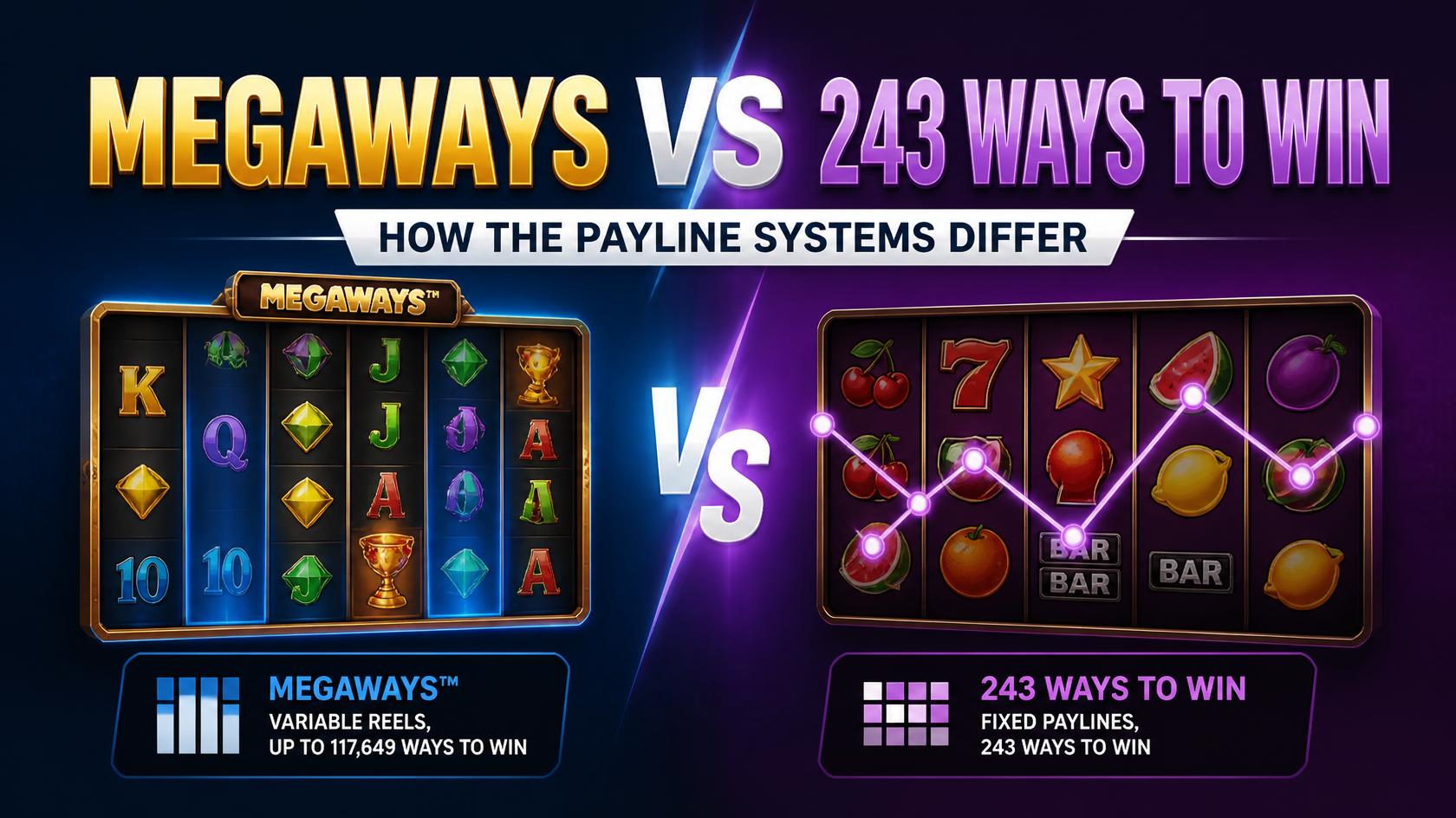
- Find the Winning Format First: Check whether the game uses paylines, ways to win, clusters, or cascading symbols. This tells you how symbols need to land for a payout.
- Check the Feature Trigger Before You Chase It: Look at the number of scatters, special symbols, or conditions needed for free spins, respins, and bonus rounds. This helps you understand why a feature may not appear during a short session.
- Look for bet amount-Dependent Rules: Some games use an optional feature bet, jackpot contribution, or enhanced-bonus setting. Confirm what it changes and what it costs before using it.
Which Slot Features Change the Shape of a Session?
Slot features do not change the RNG, but they can change where a game’s larger potential is located.
- Free Spins Can Shift Value Away From Normal Spins:A game with a powerful free-spin round may reserve a large share of its potential for that feature. This can make normal spins feel modest while the bonus round becomes more important to the game’s overall payout profile.
- Multipliers Increase Potential, Not Certainty: Multipliers can make a qualifying payout much larger. They do not guarantee that a win or multiplier will appear during your session.
- Respins Can Create Higher-Risk Moments: Respin and hold-and-win features can create larger outcomes, but they may trigger infrequently. Check the rules to understand how the feature begins and whether it can retrigger.
- Jackpots Need Rule Checks, Not Guesswork: A jackpot may be fixed, progressive, local, or networked. Read the game information to see whether a particular bet amount, side bet, or feature condition is needed for eligibility.
Building a bet amount Plan Around Your Session Budget
bet size does not influence the RNG. It determines how quickly a session budget can be used during normal variation.
Use this planning calculation:
Number of spins you can afford = Your session budget ÷ Your bet per spin
For example, a $40 session budget provides an estimated 160 spins at $0.25 per spin before accounting for returns. At $1 per spin, the same budget covers about 40 spins before returns.
This is not a forecast. It is a way to see how quickly different bet amounts can use the same budget.
Keep the Deposit and Session Budget Separate
A deposit is the amount added to the betting account. A session budget is the amount you have decided to use for one playing period.
Separating the two prevents an available balance from becoming an automatic reason to keep playing. Once the session budget or time limit is reached, stop rather than treating the remaining account balance as another bet amount pool.
How to Judge Whether a Slot Bonus Has Value
A bonus can provide extra spins or funds, but it may also restrict how you play and when you can withdraw. Evaluate the terms before accepting an offer.
Check:
- Wagering requirement
- Eligible slot machines
- Game contribution percentage
- Maximum permitted bet amount
- Bonus expiry period
- Maximum withdrawal amount
- Any cap on free-spin winnings
A bonus has value only when its terms suit the budget, bet amount, and game style you planned to use. If the conditions force longer or riskier play than intended, it may be better to play without it.
Slot Myths That Lead to Bad Decisions
Myth: A Slot Is Due After a Losing Streak
Reality: The next result is not improved by earlier losses. A losing streak does not create a debt that the game must repay.
Myth: A Recent Jackpot Means the Game Will Not Pay Again
Reality: A recent win does not reduce the probability of future random outcomes. Every spin begins independently.
Myth: More Money Per Spin Improves the Odds
Reality: A larger bet amount can increase the cash amount of a payout, but it does not make the RNG select a more favourable result.
Myth: Near Misses Mean a Feature Is Almost Ready
Reality: A near miss is a completed outcome. It does not build progress toward a future scatter, jackpot, or bonus trigger.
Myth: There Is a Best Time of Day to Play Slots
Reality: Time of day, player traffic, and recent activity do not change the random result of the next spin.
Myth: Switching Games Improves Short-Term Odds
Reality: Switching can be useful if a different game better fits your budget or preferences. It does not reset luck or create a better chance on the next spin.
How to Play Slots Responsibly
The safest answer to how to win at slots is to treat slot machines as entertainment, not as a way to earn income.
Before playing:
- Use money you can afford to lose
- Set a session budget
- Choose a time limit
- Set a maximum loss limit
- Avoid adding more money to recover losses
- Take breaks after a long or emotional session
- Use account limits, time-outs, or self-exclusion tools where available
Stop if gambling becomes stressful, affects essential spending, or feels difficult to control.
Choose Smarter Before You Spin
Learning how to win at slots is less about predicting payouts and more about choosing games carefully. Check the paytable, RTP, volatility, bet amount, and feature rules before playing. A slot machine cannot become due, but you can avoid unnecessary risk by selecting a game that fits your budget and session plan. Set limits before you start, and do not change them because of losses or excitement.