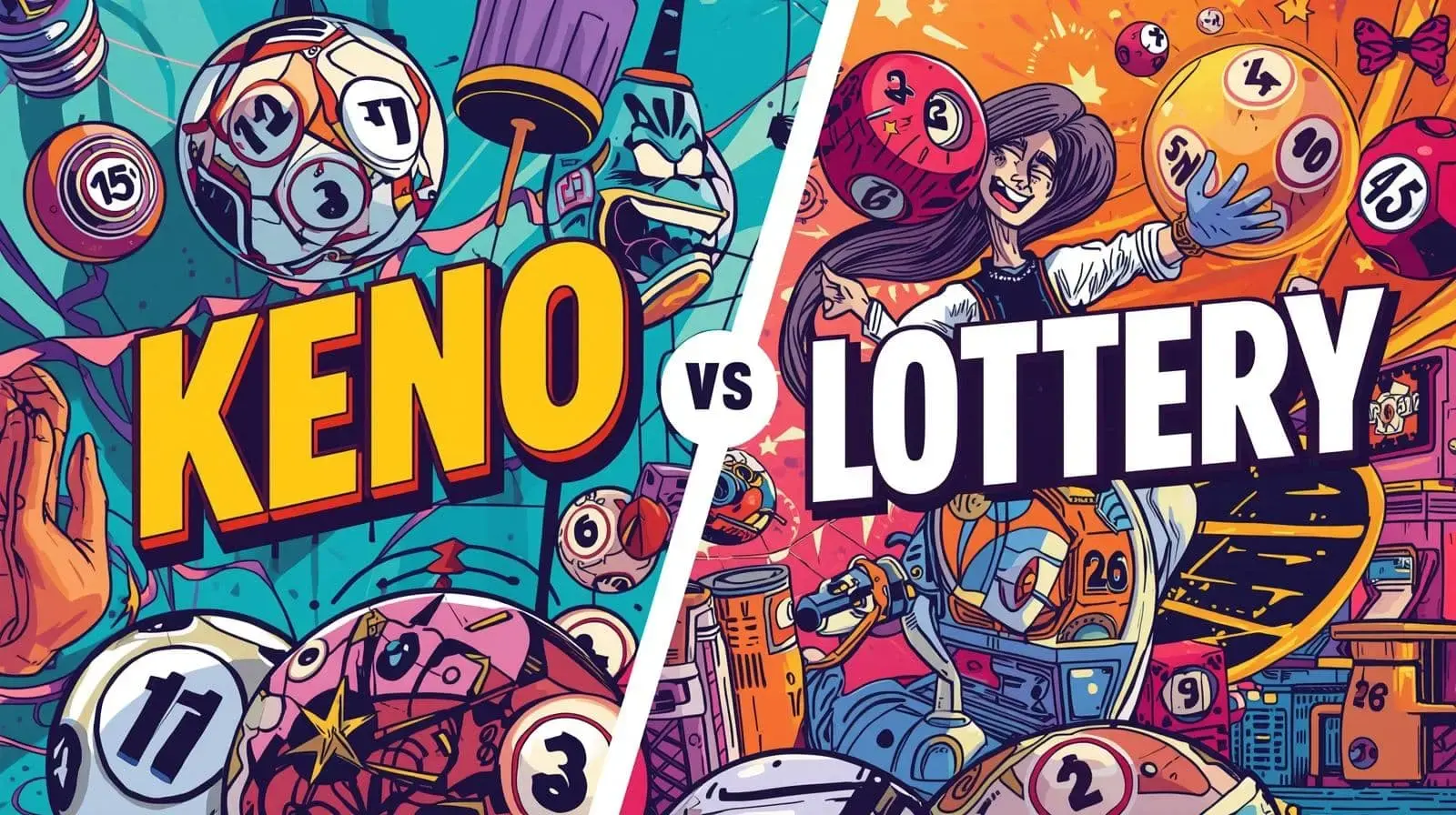
When it comes to number-based games, few comparisons spark more debate among players than keno vs lottery. Both games promise excitement, simplicity, and the chance to turn a small stake into a meaningful win, but the experience of playing them couldn’t feel more different. One is built around massive jackpots and long waits, while the other delivers quick results and constant action.
For many players, the real question isn’t just which game pays more, but which one actually fits their style of play. Are better odds more important than life-changing prizes? Do you prefer fast-paced games you can play anytime, or the anticipation that comes with a scheduled lottery draw? Understanding how keno and lottery compare in terms of gameplay, payouts, and player experience makes all the difference.
In this guide, we’ll break down the key differences between keno and lottery, look closely at the odds behind each game, and help players decide which option offers better value, enjoyment, and realism, depending on what they’re really playing for.
Understanding the Basics of Lottery Games
What Is a Lottery?
A lottery is a classic numbers-based game where players buy a ticket, choose a set of numbers, and wait for a scheduled draw. If the numbers on the ticket match the drawn numbers, the player wins a prize. Most lottery games are completely passive, once the ticket is purchased, the outcome depends entirely on chance. Because draws happen at fixed times, lotteries are often seen as long-term, high-reward games, offering very low odds but the possibility of extremely large payouts.
Popular Types of Lottery Games
Lottery games range from national and international lotteries with massive jackpots to smaller, local draws. Some games run daily draws, offering frequent chances to win modest prizes, while others focus on weekly jackpots that grow over time. Lotteries may also offer fixed payouts, where prizes are predetermined, or rolling jackpots, which increase each time no one wins the top prize.
Understanding the Basics of Keno
What Is Keno?
Keno is a numbers game with roots that trace back centuries, often linked to ancient China before evolving into a staple of modern casino floors. Today, it’s played by selecting a set of numbers from a larger pool, usually 1 to 80. Once the draw takes place, numbers are randomly selected, and players win based on how many matches they get. Unlike the lottery, keno feels faster and more interactive because draws happen continuously, keeping players engaged without long waiting periods. Because of its straightforward rules and quick draws, keno is often considered one of the easiest casino game options for beginners.
If you’re looking for more options like this, check out our guide on the easiest casino games for beginners, where simple, low-pressure games are explained step by step.
How Keno Is Played Today?
Modern keno is available in both land-based casinos and online platforms. Traditional casino keno uses frequent live or automated draws, while online versions offer instant results at the click of a button. Many games allow continuous play, letting players jump straight into the next round. There are also multiple variations in rules and payout tables, giving players the option to adjust risk and reward.
Keno vs Lottery: Gameplay Experience Compared
Speed of Play
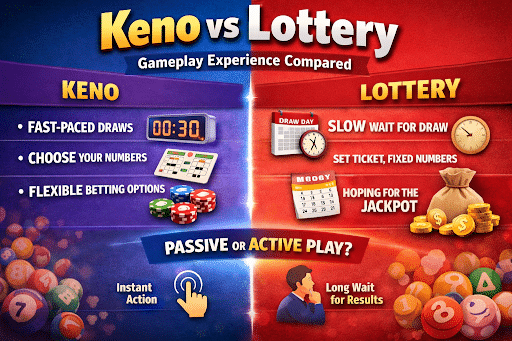
One of the biggest differences between keno and lottery is how quickly the action unfolds. The lottery is very much a slow-burn game. Players buy a ticket, then wait hours or even days for the draw, with most of the excitement coming from anticipation rather than gameplay itself. It’s ideal for players who enjoy the build-up and don’t mind long gaps between results.
Keno, by contrast, is a rapid-fire numbers game. Draws happen every few minutes or instantly online, allowing players to see results almost immediately. This fast pace suits players who prefer constant action and shorter play sessions with ongoing engagement.
Player Control and Engagement
Lottery play is largely passive, once a ticket is purchased, the player’s role is over until the draw. Keno feels more active, giving players control over how many numbers (spots) they choose and how much they bet. This creates a stronger feeling of being “in the game,” rather than simply waiting for results to be announced.
Comparing the Odds: Keno vs Lottery
Lottery Odds
Lottery odds are famously tough, especially when it comes to hitting the jackpot. Because lottery games are designed around massive prize pools, the chances of matching every required number are extremely low, often running into the millions or even hundreds of millions to one. While secondary prizes offer slightly better odds, they are still relatively difficult to hit. In general, the larger the jackpot grows, the tougher the odds become, as players must match more numbers to unlock the top prize.
Keno Odds
In keno, odds work differently because players can control how many numbers they select. Choosing fewer numbers improves the chances of hitting a win, but usually results in smaller payouts. Selecting more numbers increases risk while offering higher potential rewards. This balance between risk and reward is why keno often feels more forgiving, as players can win something more frequently, even if the amounts are modest.
Which Game Has Better Odds for Players?
From a short-term perspective, keno offers better odds of winning something. Over the long term, lotteries offer bigger dreams, but far fewer realistic wins.
Payouts and Winning Potential
Lottery Payout Structure
The lottery payout structure is heavily focused on the jackpot. Most of the prize pool is reserved for the top prize, which is why jackpots can grow to enormous sizes. Below that are secondary prize tiers, rewarding players for partially matched numbers, though these payouts are usually much smaller. Players also need to factor in tax and payout considerations, as large lottery wins are often subject to significant deductions, reducing the final take-home amount.
Keno Payout Structure
Keno uses fixed payout tables that clearly show what each number match is worth before the game starts. Smaller wins are common, especially when players choose fewer numbers, while high-risk selections can lead to larger payouts but far less frequently. Because of the faster pace, bankroll management matters more in keno, helping players control spending across multiple rounds.
Big Wins vs Frequent Wins
Rare lottery jackpots create huge emotional highs, while keno’s frequent smaller wins offer steady engagement. In reality, most players experience consistent small returns in keno and long stretches of waiting in lottery play.
Cost, Betting Flexibility, and Accessibility
Ticket Prices and Bet Sizes
Lottery ticket pricing is usually fixed, with players paying the same amount per entry regardless of the numbers chosen. This makes budgeting simple but limits flexibility. Whether the jackpot is small or massive, the cost to play remains largely unchanged. Keno, on the other hand, offers flexible stake options. Players can adjust their bet size, number selections, and risk level, making it easier to tailor play to different budgets. As a result, budget-conscious players often prefer keno’s adaptable style, while lottery players are locked into a set-cost experience.
Availability and Convenience
Lotteries are traditionally purchased through physical retail locations, though online options have become more common. Still, players must wait for scheduled draws to see results. Keno is widely available in casinos and online platforms, allowing players to play anytime. This on-demand access removes waiting periods and gives players immediate feedback, making keno a more convenient option for short sessions and spontaneous play.
Skill vs Pure Chance: Is Either Game Smarter?
Is Lottery Pure Luck?
The lottery is about as close to pure luck as a game can get. Every draw is completely random, with fixed odds that never change regardless of how often or how long someone plays. Once a ticket is purchased, the player has no influence over the outcome. Choosing “lucky numbers” or following patterns doesn’t improve the chances, it simply personalizes the experience. In short, lottery success is entirely dependent on chance.
Does Keno Involve Strategy?
Keno is also a game of chance, but it allows for a bit more decision-making. While number selection myths don’t actually improve odds, players can make smarter choices through bankroll and session control. Selecting fewer numbers, adjusting bet sizes, and setting limits can help manage risk. These choices don’t guarantee wins, but they can lead to a more controlled and sustainable playing experience compared to lottery play.
Which Game Is Better for Different Types of Players?
Casual Players
For casual players, both lottery and keno offer simple rules and low commitment. The lottery suits those who enjoy buying a ticket occasionally and checking results later without active involvement. Keno, however, can be more appealing to casual players who want instant results and a short, entertaining session without learning complex mechanics.
Budget-Conscious Players
Players focused on managing spend and playtime often lean toward keno. Flexible bet sizes allow players to control how much they risk per round and stretch their entertainment over longer sessions. Lottery tickets have fixed prices, which can limit control, especially for players who play frequently.
Thrill-Seekers and Jackpot Chasers
For players chasing massive wins, the lottery delivers unmatched high-risk, high-reward potential. The emotional payoff of a huge jackpot is hard to replicate. Keno offers excitement through frequent wins, but for thrill-seekers, the lottery’s dream of a life-changing prize often outweighs realism.
Final Thoughts
When it comes down to keno vs lottery, there’s no single “better” game, only a better fit for different types of players. The lottery thrives on long odds and massive jackpots, appealing to players who enjoy dreaming big and don’t mind waiting for results. Keno, on the other hand, offers speed, flexibility, and more frequent wins, making it feel more engaging and realistic for everyday play.
What really matters is understanding what you want from the experience. If the excitement of a potential life-changing payout drives you, the lottery delivers that emotional high. If you prefer fast-paced games, adjustable bets, and constant action, keno often feels more rewarding session by session.
Platforms like Twinqo Casino make this choice even easier by offering modern Keno games alongside other number-based options, allowing players to enjoy quick play without long waits. If you’re interested in more beginner-friendly options, try slot games, and check out our guide on how to play slots.